
REBATES & POLICY
The solar rebate income cap dropped to $150,000 — are you still eligible?
From 1 July 2026 the Solar Victoria income cap fell from $210,000 to $150,000. Here is exactly what it measures, who it affects, and what is still available if you are over it.
Published 23 September 2026 · Figures last verified 23 September 2026
On 1 July 2026 the income cap on Victoria’s Solar Homes rebates fell from $210,000 to $150,000 in combined household taxable income.
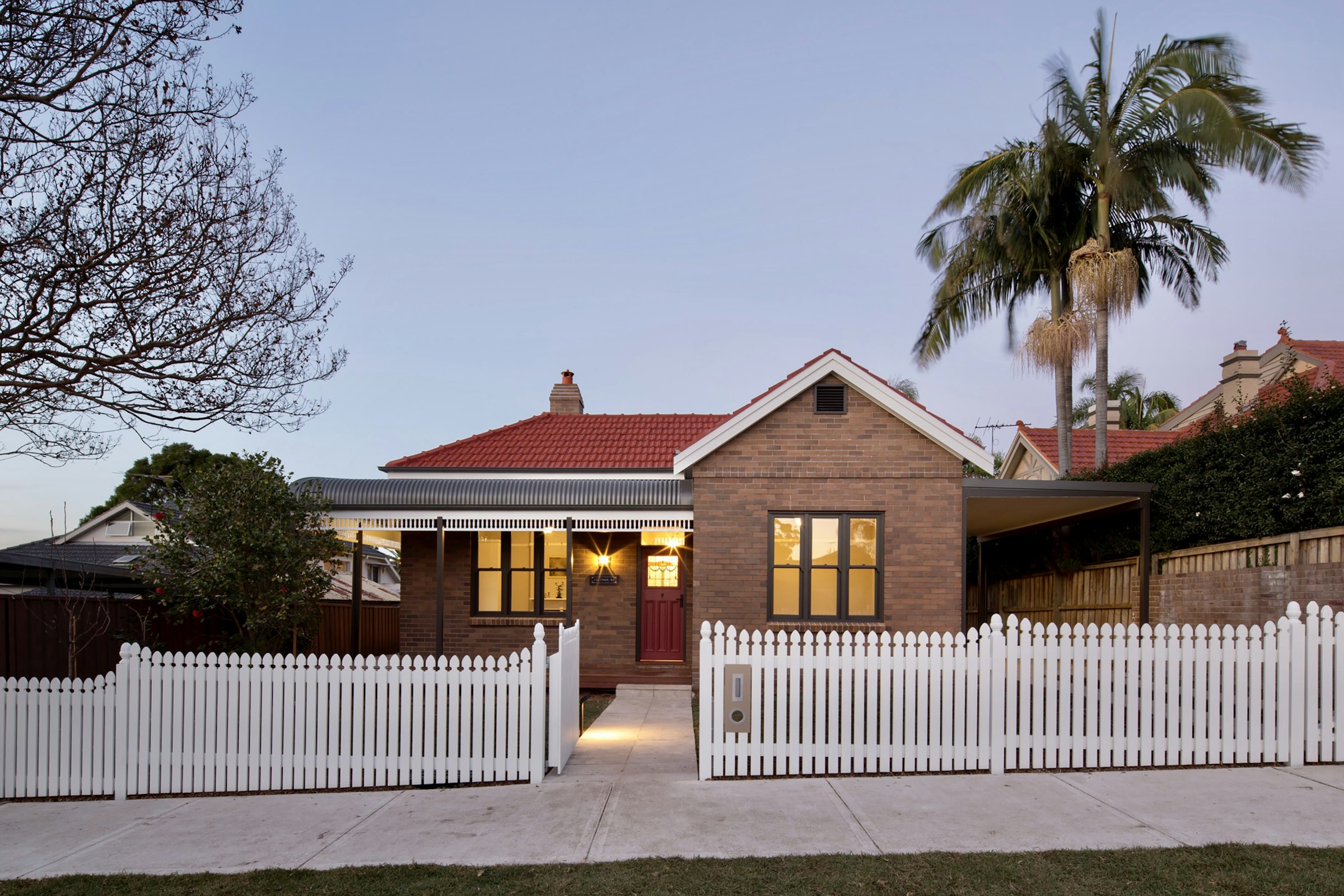
If your household sits between those two numbers, you were eligible last financial year and you are not now. Nothing about your home changed. The threshold moved.
What the Solar Victoria income cap actually measures
This is where most of the confusion sits, so it is worth being precise. The test is the combined taxable income of all owners of the property, for the current financial year.
Three things follow:
- It is taxable income, not take-home pay. The figure on your notice of assessment, not what lands in your account.
- It is combined across owners. If two people are on the title, both incomes count. If one person owns the home, only theirs does.
- It is the owners, not the household. An adult child living at home with their own income does not count unless they are on the title.
That last distinction catches people in both directions. Some assume they are over the line when they are not, and never apply.
Which rebates this affects
The $150,000 cap applies across the Solar Homes program — the solar panel rebate of up to $1,400, and the hot water rebate of up to $1,000, or up to $1,400 for a locally made system.
It does not apply to the federal Cheaper Home Batteries Program. That is a Commonwealth scheme, it works as a point-of-sale discount through certificates rather than as a rebate you apply for, and it has no income test at all.
So if you are over the cap
You have lost access to the state solar panel and hot water rebates. You have not lost the federal battery discount, which for most households is the larger of the two amounts. A battery installed alongside solar still attracts its certificates regardless of what you earn.
That is the practical takeaway for households now above the line: the state rebate is gone, the federal one is not, and solar plus a battery can still be worth doing on its own numbers.
Why it changed
Solar Victoria’s stated reason is targeting. The program has now helped more than half a million Victorian households, and the government’s position is that the remaining support should go to people most exposed to cost-of-living pressure, including renters and lower-income households.
Their own figures give the shape of it: historically 55% of solar panel rebates and 52% of hot water rebates went to households earning under $100,000, and Solar Victoria estimates that over 80% of Victorian households are still eligible under the $150,000 cap.
So this is a narrowing, not a closure. Four in five households still qualify on income.
The other tests have not changed
Income is only one of the gates, and it is not usually the one that stops people. To claim the solar panel rebate you also need all of these:
| Test | Requirement |
|---|---|
| Property value | Under $3 million |
| Ownership | Owner-occupier of an existing home, or owner of a home under construction |
| Solar history | No solar PV installed at that address in the last 10 years |
| Rebate history | The address has not had a solar panel or solar battery rebate under this program before |
In our experience the 10-year rule disqualifies more households than the income cap does, and it surprises people more, because it attaches to the address rather than to you. If the previous owner installed panels seven years ago, the property has three years to wait — even though you have never claimed anything in your life.
There is one exception worth knowing on rebate history: if you received a Solar Homes rebate or loan and have since moved house, you can apply again at your new address, provided that property has not had one before.
What to do if you are near the line
Check the actual number rather than estimating. Combined taxable income for all owners, from your most recent notice of assessment, for the current financial year. People who guess tend to guess high, and a surprising number talk themselves out of $1,400 they would have received.
If you are over it, the battery discount is still open to you and does not care what you earn.
Sources
The cap change, the previous $210,000 figure, the effective date and the eligibility statistics come from Solar Victoria’s own announcement. Current eligibility criteria are from the Solar Victoria solar panel rebate page. Both checked on 23 September 2026.
Eligibility rules are set by Solar Victoria and can change. This is a guide to how the test works, not advice about your circumstances — your eligibility is confirmed by Solar Victoria, not by us.
Over the cap? You have lost the state solar panel and hot water rebates. You have not lost the federal battery discount — that program has no income test, and for most households it is the larger amount.
Check whether your address qualifies
The eligibility check takes about two minutes, and our team works through the income test, the 10-year rule and the rest to tell you which programs apply to your property — including when the answer is none of them.