
Cheaper Home Batteries Program—What’s Changed and What’s Coming 2026
Australia is a world leader in rooftop solar with more than 4.2 million rooftop solar photovoltaic (PV) systems installed. However, before the program, only one in 40 households had installed batteries. The high upfront cost of batteries meant installing batteries was out of reach for many households and businesses.
The Cheaper Home Batteries Program has reduced barriers to these high upfront costs, making batteries accessible for more Australian households and businesses. One in 24 households now have a battery connected to the solar PV systems.
Australian households, businesses and community organisations can get a discount of around 30% on the upfront cost of installing a range of small-scale battery systems (5 kWh to 100 kWh).
The discount is:
- available for batteries connected to new or existing solar PV systems
- funded by the government to ensure no extra costs are passed on to consumers
- based on the battery’s usable capacity and the number of small-scale technology certificates (STCs) the battery is eligible for under the Small-scale Renewable Energy Scheme (SRES)(external link)
- going to be reviewed at least annually and will decrease until 2030, in line with reducing battery prices.
Eligibility for the discount is subject to requirements in the Renewable Energy (Electricity) Regulations 2001(external link) being met.
The Clean Energy Regulator (CER)(external link) administers the program and the government funds the discount.
The program is:
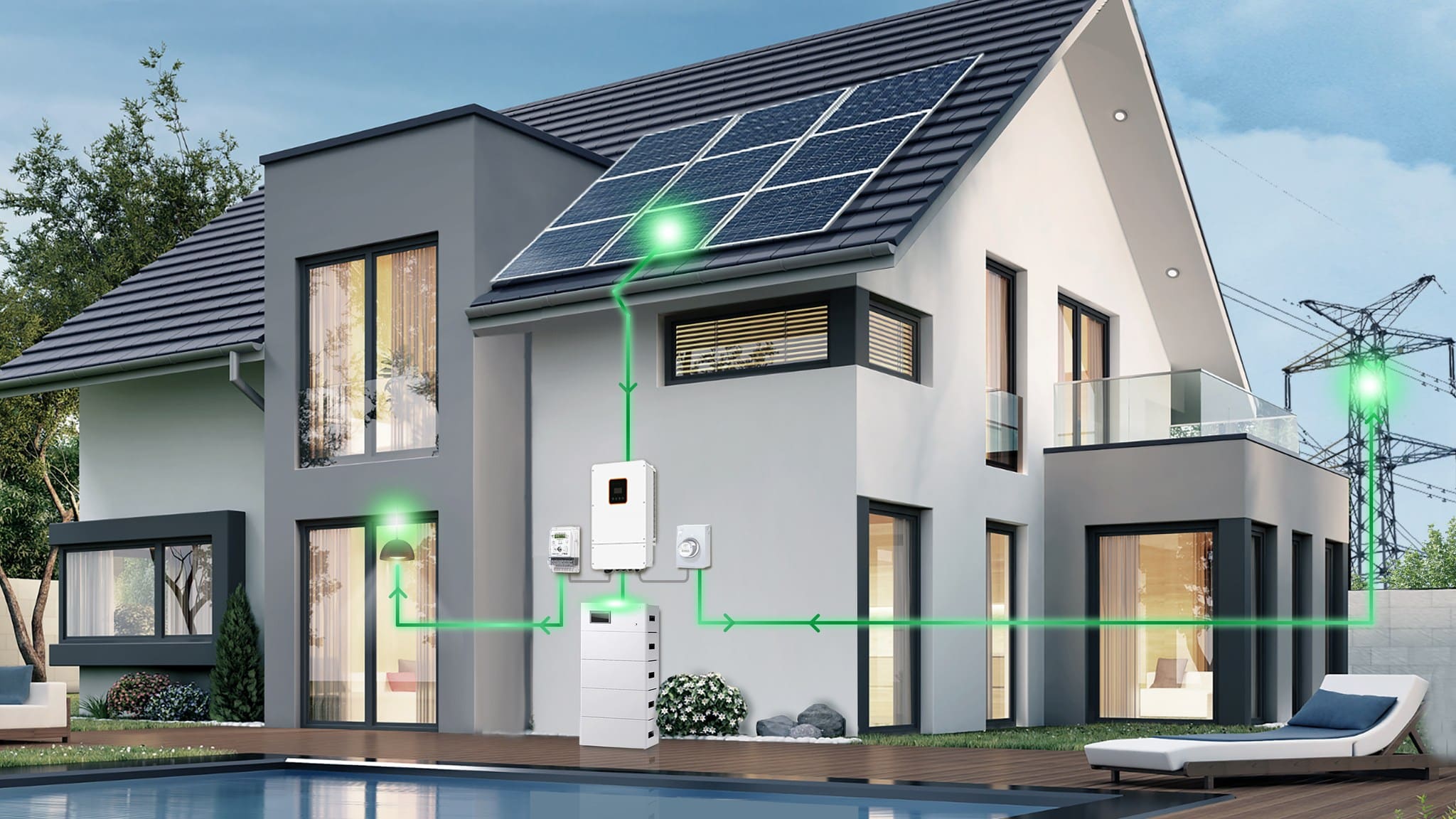
- helping reduce electricity bills by making the most of cheap and clean solar power by storing it for when it is needed
- lowering costs for everyone – not just those who install a battery – by reducing peak demand and creating a more stable electricity grid
- ensuring retailers and installers are aware of their responsibilities to ensure batteries installed legally, safely and for permanent use.
Read more about program eligibility and our purchasing small-scale technology certificates.
How to access the battery discount
Consumers do not need to apply to us or the Clean Energy Regulator for the discount.
There are two ways to receive support under the Cheaper Home Batteries Program:
- Through accredited installers/retailers
- Contact your choice of an accredited installer and/or solar battery retailer for information about installing a battery system.
- The installer/retailer will either offer an upfront reduction on the cost of the battery or a rebate after installation.
- If you have concerns about receiving your discount, contact the Clean Energy Regulator(external link).
- Applying for the discount directly through the REC Registry
- You can decide to forego the discount offered by retailers/installers and claim the discount directly by creating and trading STCs through the REC Registry.
- If you wish to claim STCs directly, make sure you do not assign the right to create STCs to the installer/retailer.
- STCs can be traded via the Clearing House or the open market.
- The CER provides more information about creating and selling STCs(external link) under the program.
You can check how many STCs you are entitled to up to 30 April 2026 by using the REC Registry STC calculator(external link). To understand how many STCs you are entitled to from 1 May 2026, refer to Summary of Revised Small-scale Technology Certificate Entitlement to 2030.
When investing in a battery you should:
- Research what battery system would best suit your needs.
- Seek quotes from more than one retailer/installer.
- Check the CER’s website(external link) for more information about installing a battery.
- Familiarise yourself with the program eligibility and your STC entitlement(external link).
- Check the Solar Consumer Guide(external link) for free, independent advice.
- Check the SUNSPOT calculator(external link) for estimating rooftop solar and battery cost.
- Make sure the battery is appropriately sized.
- Talk to your retailer or installer about your daily electricity use, power output of your solar and the output capacity of your inverter to understand what size battery might be appropriate for you.
- Bigger is not always better. Installing a battery that is too large for your solar and/or inverter can limit potential benefits to your home and the grid.
- Make sure the retailer/installer provides information about:
- the value of the program discount and when you will receive it
- the system warranty
- anticipated payback period.
- Select a reputable retailer and installer.
- Check with family, friends or neighbours.
- Ensure the battery is accredited by the Clean Energy Council(external link)
- Ensure the installer is accredited by Solar Accreditation Australia(external link).
- Ensure the installer is on site for the battery’s set-up, installation and commissioning.
The full suite of eligibility criteria is available in the Renewable Energy (Electricity) Regulations 2001(external link).
1 May 2026: Changes to the program
On 13 December 2025, the Australian Government announced it would expand the Cheaper Home Batteries Program from original estimates of $2.3 billion to an estimated $7.2 billion over the next four years. This is expected to see more than 2 million Australians install a battery by 2030, delivering around 40 gigawatt hours of additional storage capacity.
This change is accompanied by proposed program adjustments to ensure the discount remains appropriate for small, medium and larger battery systems.
The proposed changes will help ensure:
- the discount remains at around 30% for a range of batteries across battery sizes
- the discount aligns with falling battery costs over time
- the government can continue to support battery installations over the life of the program.
Subject to regulations being made, two adjustments will be made to the discount and will come into effect from 1 May 2026.
The STC Factor will be adjusted
The discount is provided through the creation and trading of STCs. To fund the discount, the government purchases the equivalent number of STCs created for batteries.
The STC Factor, which determines the number of STCs a system is entitled to create per kWh of useable capacity, will be adjusted to:
- decline more frequently (every 6 months)
- decline at a higher rate.
Table 1 outlines the changes to the STC Factor.
| Year | Period | Existing STC factor | Proposed STC factor |
|---|---|---|---|
| 2026 | January – April |
8.4 |
8.4 |
| 2026 | May – December |
8.4 |
6.8 |
| 2027 | January – June |
7.4 |
5.7 |
| 2027 | July – December |
7.4 |
5.2 |
| 2028 | January – June |
6.5 |
4.6 |
| 2028 | July – December |
6.5 |
4.1 |
| 2029 | January – June |
5.6 |
3.6 |
| 2029 | July – December |
5.6 |
3.1 |
| 2030 | January – June |
4.7 |
2.6 |
| 2030 | July – December |
4.7 |
2.1 |
The discount that you are entitled to is determined by the STC Factor on the date the battery is installed.
The amount of support will be adjusted according to system size
The program will continue to support battery installations up to 100 kWh. However, subject to regulations being made, the level of support for batteries will shift.
The discount calculations have been adjusted to align with declining battery costs, with the aim of maintaining around 30% discount for a range of battery systems at each capacity level.
The STC Factor will taper according to the amount of capacity installed:
- From 0 kWh up to 14 kWh (inclusive): STC Factor applied at 100%.
- Every kWh greater than 14 and up to 28 kWh (inclusive): STC Factor applied at 60%.
- Every kWh greater than 28 and up to 50 kWh (inclusive): STC Factor applied at 15%.
To understand the amount of STCs that will be created for each 1kWh of battery storage please refer to the:
For more information about STCs, see discount for eligible battery systems.
Expanding the SRES to include battery systems
The SRES(external link) has been key to Australia’s widespread uptake of rooftop solar PV systems.
The Cheaper Home Batteries Program is an expansion of the SRES to include batteries up to 100 kWh.
The SRES is a legislated tried-and-tested scheme with an established regulatory framework that supports consumer protection and electrical safety.
This framework relies on a combination of state and territory safety requirements as well as measures specific to the SRES. This includes:
- accrediting products be through the Clean Energy Council (CEC)(external link)
- training and accreditation of installers through Solar Accreditation Australia (SAA)(external link)
- tools to reduce regulatory burden and collect mandatory information
- an inspections program.
These measures also apply to batteries under the expanded SRES. The CER’s extensive regulatory experience under the SRES ensures they are well-placed to implement the program.
The program works with other schemes
The program is a national scheme with broad eligibility. This is intended to complement other Commonwealth, state and territory incentives. Support under local programs will depend on the requirements set by state and territory governments.
This means people could be eligible for support under multiple schemes. Seek advice from state or territory government to understand eligibility requirements and if they are compatible with the program.
Households can also receive discounted finance for home upgrades under the Household Energy Upgrades Fund (HEUF).
Program governance arrangements
We are partnering with the CER to jointly deliver the Cheaper Home Batteries Program. The department and the CER have individual accountability and joint responsibilities for delivery of different aspects of the program.
As the program policy agency, we are responsible for:
- purchasing small-scale technology certificates
- ensuring policy and program settings remain appropriate under the SRES for providing benefits to consumers and to the electricity grid.
This includes monitoring and adjusting policy settings where required.
As the program implementation agency, the CER is responsible for:
- implementing and administering the program
- continuing to manage the SRES through a risk-based compliance framework which requires adherence to:
- product technical standards
- accreditation of installers and retailers
- carrying out their ongoing inspections program.
The agencies govern their interactions through the program’s Interagency Steering Committee. The Interagency Steering Committee’s membership is made up of the Deputy Secretary of the Energy Group who chairs the committee, and the CEO of the CER.
The Deputy Secretary of the Energy Group as the Senior Responsible Officer for the program, is the final decision-making authority. They are supported and advised by the CER on necessary decisions for operational matters.
The department and the CER work with Solar Accreditation Australia, the Clean Energy Council, and state and territory electrical safety regulators to ensure:
- products and installations are safe and meet standards for electrical safety
- the people designing, selling and installing solar batteries are accredited.
Who to contact
For information about how to participate in the program: see how to access the discount.
For information about changes to the program: see 1 May 2026: Changes to the program.
For information about installing a battery, receiving a quote or updates on your installation: contact installers/retailers.
To find out if the discount has been claimed for your installation: contact the Clean Energy Regulator(external link).
For concerns about retailer/installer conduct or the safety of the installation:
- Raise the matter directly with the installer/retailer.
- Notify the Clean Energy Regulator(external link).
- Contact your local electrical safety regulator(external link).
- Contact your local consumer protections authority(external link).
- If appropriate, contact the Energy and Water Ombudsman in your jurisdiction for advice.
Please note we will not respond to:
- general enquiries about how to participate in the program
- requests for batteries, quotes, or recommendations for products or installers. (Installers must be accredited by SAA(external link) and products must be accredited by the CEC(external link))
- requests for individual eligibility assessments for the program or reviews of quotes provided by industry
- requests for information on whether the discount has been claimed for your system.
Benefits of Ducted Reverse Cycle Systems
Ducted reverse cycle air conditioning systems are a popular choice for homeowners looking for whole-home comfort with high energy efficiency. These systems provide both heating and cooling using electricity, making them a smart alternative to traditional gas systems—especially when combined with rebates under the VEU program.
1. Whole-Home Climate Control
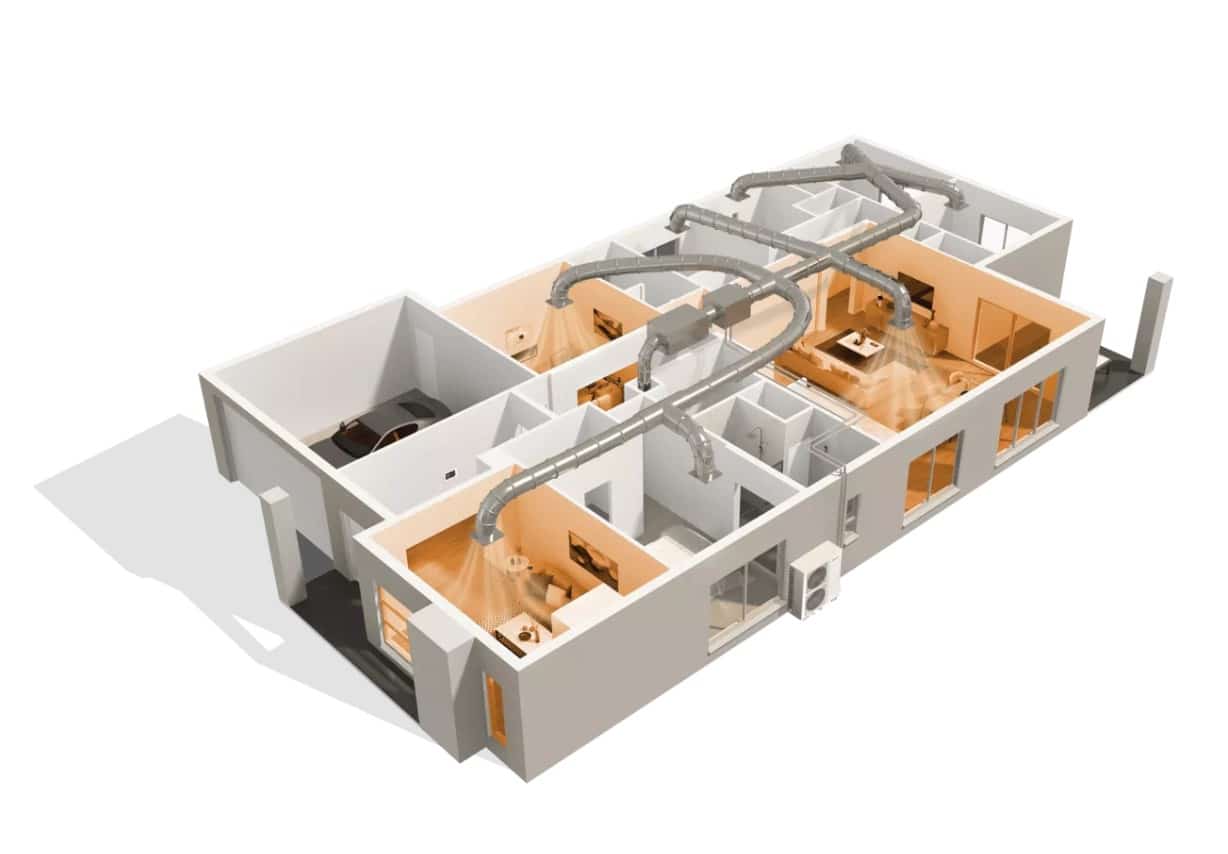
Ducted systems are designed to heat or cool your entire home through a network of ducts installed in the ceiling or floor. Every room can receive consistent air distribution, creating a comfortable environment year-round.
2. Heating and Cooling in One System
One of the greatest advantages is that a ducted reverse cycle system handles both your heating and cooling needs. This means you don’t need to install or maintain two separate systems, simplifying your home’s setup and saving space.
3. Energy Efficiency
Modern ducted reverse cycle systems are incredibly energy efficient. They use inverter technology to adjust power output depending on your needs, helping reduce electricity consumption and lower your energy bills over time.
4. Zoning Capabilities
Many systems allow for zoning, which means you can control which areas of your home receive heating or cooling. For example, you can turn off air to unused rooms or customize temperatures in different zones—saving energy and improving comfort.
5. Discreet Aesthetics
With the indoor unit hidden in the roof space and vents flush with the ceiling, ducted systems offer a clean, modern appearance. There are no bulky wall units or visible components inside your living areas.
6. Increased Property Value
A professionally installed ducted reverse cycle system can increase your home’s value. Buyers often see it as a premium feature because of its convenience, performance, and long-term cost savings.
The Importance of Choosing the Right Emergency Lighting Product and Maintenance: A Guide to Australian Standards
Introduction
Emergency lighting plays a crucial role in guiding people to safety during crises such as power outages, fires, and other emergencies. An effective emergency lighting system can be the difference between calm evacuation and chaotic escape, possibly resulting in injuries or loss of life. This is why choosing the right emergency lighting product and ensuring it remains in good working condition is of utmost importance. In Australia, specific standards govern the installation and maintenance of emergency lighting.
Australian Standards: AS/NZS 2293
In Australia, the Australian/New Zealand Standard AS/NZS 2293 regulates emergency escape lighting and exit signs for buildings. The standard is divided into three main parts:
- AS/NZS 2293.1: System Design, Installation, and Operation
- AS/NZS 2293.2: Routine Service and Maintenance
- AS/NZS 2293.3: Emergency Luminaires and Exit Signs
These standards provide guidelines for product requirements, installation procedures, and periodic checks and maintenance.
Choosing the Right Product
Compliance with AS/NZS 2293 is not just a legal requirement but also an assurance of quality and effectiveness. When selecting a product, ensure that it meets or exceeds the criteria laid out in AS/NZS 2293.3, which specifies luminaire performance requirements.
Factors to consider when choosing a product:
- Luminance: A higher lumens rating means a brighter light, but balance is key. Too much light can be as disorienting as too little.
- Battery Life: Consider products with longer battery lifespans and quicker recharge times.
- Durability: Opt for products designed to withstand extreme temperatures and conditions.
- Ease of Installation: Look for products that are straightforward to install, which reduces installation errors and subsequent risks.
Maintenance is Key
According to AS/NZS 2293.2, routine service and maintenance of emergency lighting systems should be carried out at intervals not exceeding 12 months. The standard outlines various tests, including a 90-minute battery discharge test and cleaning of luminaire diffusers, to ensure optimal operation.
Maintaining your emergency lighting in good working order involves:
- Regular Inspections: Conduct monthly checks for visible defects and annual tests for performance.
- Battery Checks: Regularly inspect and replace batteries as needed.
- Documentation: Maintain a logbook as stipulated in AS/NZS 2293.2, recording all inspections, tests, and maintenance procedures.
Conclusion
Compliance with Australian standards is crucial, but beyond that, your choice of emergency lighting and its maintenance can have a direct impact on people’s safety during emergencies. Opt for products that meet or exceed AS/NZS 2293 guidelines, and don’t underestimate the importance of regular maintenance to ensure your systems are always ready when you need them most.

What is VRF or Multi-Head?
When considering a new air conditioning system—especially under the VEU rebate program—you may hear terms like multi-head or VRF multi-head systems. While they sound similar, they serve slightly different purposes and offer different levels of flexibility and performance.
Multi-Head Split Systems
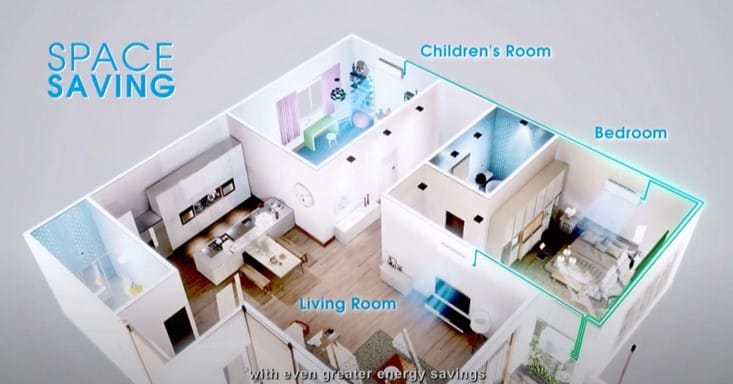
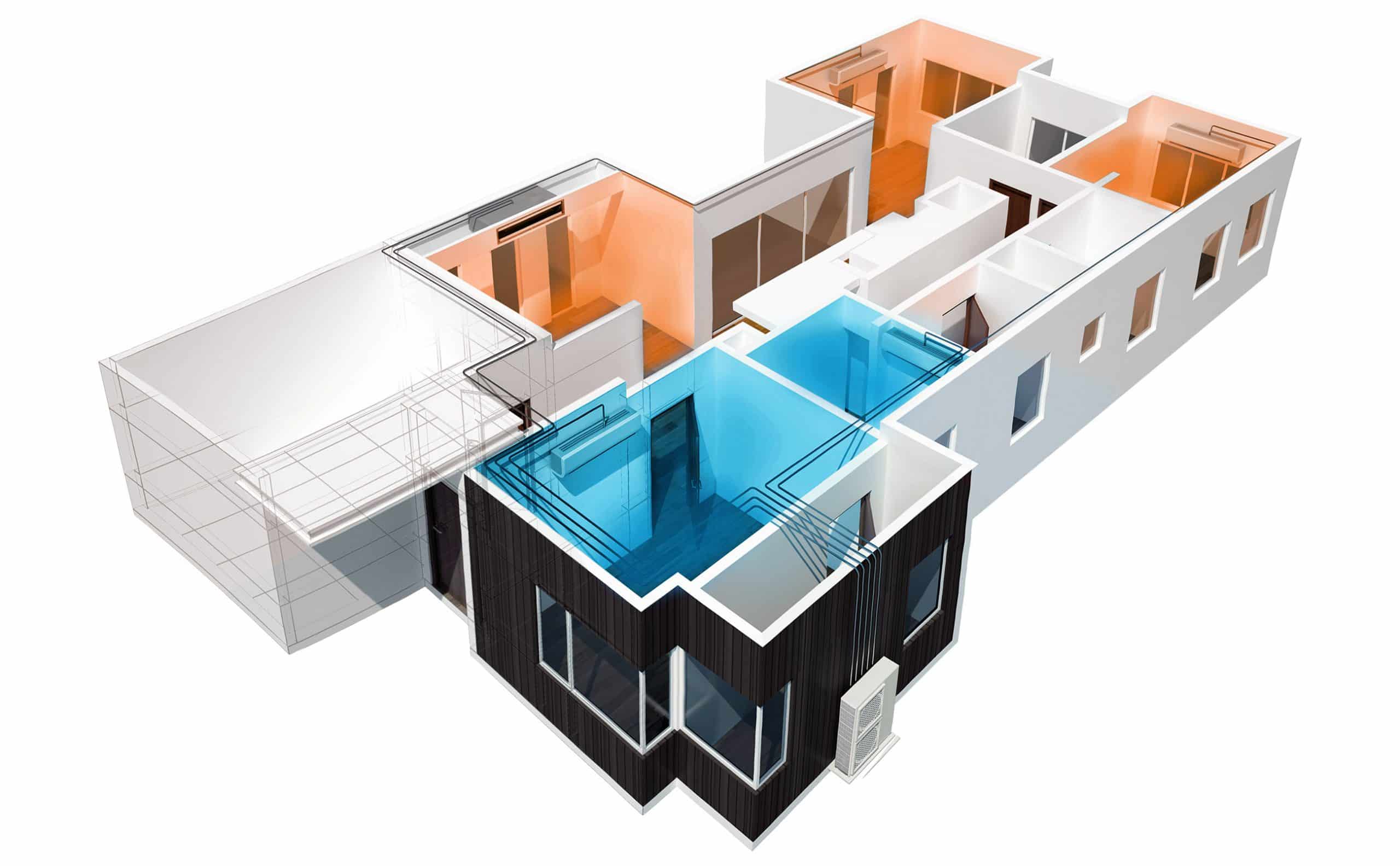
A multi-head split system consists of one outdoor unit connected to several indoor units. Each indoor unit operates independently, allowing you to set different temperatures in different rooms. This setup is ideal for homes without ductwork or for families who prefer individual room control.
Key features:
-
One outdoor unit with 2–5 indoor units (typically).
-
Independent temperature control for each zone.
-
Cost-effective and energy-efficient for small to medium homes.
-
Simpler installation compared to ducted or VRF systems.
VRF (Variable Refrigerant Flow) Systems
A VRF system, sometimes called a VRV system (Variable Refrigerant Volume), is a more advanced version of a multi-head system. It also connects multiple indoor units to a single outdoor unit, but it uses sophisticated technology to modulate refrigerant flow according to the exact demand of each room.
Key features:
-
Supports a larger number of indoor units—often more than 5.
-
Extremely efficient in large homes or buildings with varying climate needs.
- Better performance and energy optimization in complex settings.
Which One Should You Choose?
-
For typical homes: A standard multi-head split system is usually more than sufficient. It offers zoned comfort and lower installation costs.
-
For larger homes or mixed-use spaces: A VRF system might be worth the investment if you need precise climate control or high capacity.
Both types of systems are eligible for rebates under the VEU program, as long as they meet energy efficiency standards and are installed by accredited providers.
VEU Air Conditioning Rebates – Upgrade from Gas Heating
If your home currently uses a ducted gas heating system, there’s never been a better time to consider upgrading. Thanks to the Victorian Energy Upgrades (VEU) program, homeowners in Victoria can receive generous rebates for replacing outdated gas heaters with efficient reverse cycle air conditioning systems—either ducted or multi-head split systems.
These upgrades not only improve comfort year-round but also help reduce energy costs and cut down on harmful emissions.
What Is the VEU Program?
The Victorian Energy Upgrades (VEU) program is an initiative by the State Government to help households and businesses reduce their energy usage. It provides financial incentives to replace old, inefficient appliances and systems with modern, energy-saving alternatives.
Why Switch from Ducted Gas Heating?
Gas heating systems have been popular in Victoria for decades, but they’re quickly becoming outdated. Reverse cycle air conditioning systems offer both heating and cooling from one unit and are significantly more efficient. On average, switching can reduce heating bills by more than half—even before applying rebates.
How the VEU Rebate Works
- Assessment: A VEU Participant will inspect your home and current system.
- Quotation: You’ll receive a quote that includes the government rebate. Choose the Right System
- Installation: Licensed technicians will install your new system, and the installer handles all rebate paperwork.
The size of the rebate depends on the system’s capacity and type. Larger systems attract bigger rebates.
Reverse Cycle vs Multi-Head Split Systems
- Ducted Reverse Cycle: Ideal for whole-home comfort.
- Multi-Head Split: Great for zoned control in different rooms with one outdoor unit connected to several indoor heads.
Environmental and Financial Benefits
Switching helps cut emissions and reduce reliance on gas. Financially, many homeowners report savings of hundreds or even thousands per year, with the upgrade paying for itself over time.
How to Get Started
- Contact provider.
- Book a home assessment.
- Review and approve your quote.
- Enjoy your new, energy-efficient system!
Ready to upgrade your heating and cooling? Contact us today to find out how much you could save with the VEU rebate.
Hey, Let’s Get You Energized: The Deets on Victorian Energy Efficiency Program! 🌟💡
Yo, ever wondered how to get the most bang for your energy buck while saving the planet? 🌍 The Victorian Government Energy Efficiency Program is here to kick some serious energy waste to the curb!
The Cool Stuff You Get:
- Who’s In?: Literally, everyone in Victoria! 🎉
- Upgrades: LED lights, snazzy heating, and cooling, and even water-saving tech. All the goods! 🛠️
- The Price Tag: Zero to nada! Government’s got your back with rebates! 💸
- Pro Team: Only the A-listers of the energy world get to pimp your space. 🌟
- Green Vibes: Cut down on your carbon badness and feel good about it! 🌱
Why You Should Care:
- Save Dat Money: See your energy bill shrink faster than ice in the sun! 🌞
- Be A Hero: Rock that cape, you’re an environmental champ! 🦸♂️
- Cash in: Your place’s value just skyrocketed. You’re welcome! 💰
Let’s Do This:
- Find out if you’re the chosen one (spoiler: you are).
- Get an energy check-up from the pros.
- Pick your energy upgrades like you’re shopping for kicks. 👟
- Let the pros do their magic. 🎩
- Party in your newly pimped, energy-efficient pad! 🎉
So, are you in or what? For the full scoop, hit up the official website or give a shout to your local energy guru!
Ready to live that energy-efficient dream? 🌟🔥
Ref: https://www.esc.vic.gov.au/victorian-energy-upgrades-program
The Importance of Choosing the Right Emergency Lighting Product and Maintenance: A Guide to Australian Standards
Introduction
Emergency lighting plays a crucial role in guiding people to safety during crises such as power outages, fires, and other emergencies. An effective emergency lighting system can be the difference between calm evacuation and chaotic escape, possibly resulting in injuries or loss of life. This is why choosing the right emergency lighting product and ensuring it remains in good working condition is of utmost importance. In Australia, specific standards govern the installation and maintenance of emergency lighting.
Australian Standards: AS/NZS 2293
In Australia, the Australian/New Zealand Standard AS/NZS 2293 regulates emergency escape lighting and exit signs for buildings. The standard is divided into three main parts:
- AS/NZS 2293.1: System Design, Installation, and Operation
- AS/NZS 2293.2: Routine Service and Maintenance
- AS/NZS 2293.3: Emergency Luminaires and Exit Signs
These standards provide guidelines for product requirements, installation procedures, and periodic checks and maintenance.
Choosing the Right Product
Compliance with AS/NZS 2293 is not just a legal requirement but also an assurance of quality and effectiveness. When selecting a product, ensure that it meets or exceeds the criteria laid out in AS/NZS 2293.3, which specifies luminaire performance requirements.
Factors to consider when choosing a product:
- Luminance: A higher lumens rating means a brighter light, but balance is key. Too much light can be as disorienting as too little.
- Battery Life: Consider products with longer battery lifespans and quicker recharge times.
- Durability: Opt for products designed to withstand extreme temperatures and conditions.
- Ease of Installation: Look for products that are straightforward to install, which reduces installation errors and subsequent risks.
Maintenance is Key
According to AS/NZS 2293.2, routine service and maintenance of emergency lighting systems should be carried out at intervals not exceeding 12 months. The standard outlines various tests, including a 90-minute battery discharge test and cleaning of luminaire diffusers, to ensure optimal operation.
Maintaining your emergency lighting in good working order involves:
- Regular Inspections: Conduct monthly checks for visible defects and annual tests for performance.
- Battery Checks: Regularly inspect and replace batteries as needed.
- Documentation: Maintain a logbook as stipulated in AS/NZS 2293.2, recording all inspections, tests, and maintenance procedures.
Conclusion
Compliance with Australian standards is crucial, but beyond that, your choice of emergency lighting and its maintenance can have a direct impact on people’s safety during emergencies. Opt for products that meet or exceed AS/NZS 2293 guidelines, and don’t underestimate the importance of regular maintenance to ensure your systems are always ready when you need them most.
Emergency lighting solutions are critical for the safety and well-being of occupants in a building, especially during power failures, fires, or other emergency situations that may compromise the primary lighting system. These solutions can generally be categorized into two types: monitored and non-monitored. Understanding the key differences between the two is essential for making an informed decision on which system to implement.
Monitored Emergency Lighting Solution:
- Remote Management: Monitored systems are connected to a centralized control panel, which constantly checks the status of each lighting fixture.
- Automated Testing: These systems can conduct self-tests to ensure they are in optimal working condition. Any faults or problems are automatically reported.
- Compliance: Easier to maintain compliance with safety standards like Australia’s AS/NZS 2293, as the system keeps logs of tests and performance metrics.
- Cost-Efficiency in Long Run: Although the initial setup cost may be high, monitored systems can be more cost-efficient in the long run due to reduced manual testing and maintenance costs.
- Instant Alerts: Facility managers receive immediate notifications in case of a failure, allowing for quicker resolution.
Non-Monitored Emergency Lighting Solution:
- Manual Oversight: Requires manual inspection and testing to ensure all components are functioning correctly.
- No Central Control: Lacks a centralized monitoring system, making it more challenging to manage multiple lights or fixtures across a large facility.
- Compliance Challenges: Maintaining compliance with safety standards may require more extensive record-keeping and manual testing, thereby increasing labor costs.
- Lower Initial Cost: Generally cheaper to install than monitored systems but may incur higher maintenance costs over time.
- Delayed Issue Detection: Issues like battery failure or lamp issues are only identified during routine checks, possibly compromising safety in an emergency.
In summary, monitored emergency lighting solutions offer more sophisticated management features, greater ease of compliance with safety standards, and long-term cost-efficiency. However, they often come with a higher initial investment. On the other hand, non-monitored systems are generally simpler and cheaper to install but may incur higher long-term costs and offer less immediate oversight. Choose the one that best suits your facility’s needs, keeping in mind both safety and budgetary considerations.

The final decisions regarding updates to the lighting components of the Victorian Energy Upgrades (VEU) program have been made. These include revisions to the initially suggested timeline for discontinuing certain activities that were presented for consultation in December 2019.
In line with predictions, the subsidies for most commercial LED lighting will indeed be phased out, although this will occur on an extended schedule compared to the original proposal.
The key changes are:
| Activity | What this entails | 31 Mar 2021 | 31 Jan 2022 | 31 Jan 2023 |
| Part 27 | The replacement of public lighting mercury vapour lamps (street/path lighting etc). | Mercury vapour lamps removed | ||
| Part 34 – J6 | The replacement of low efficiency lights in a building that requires a building permit (renovations etc). | Align with NCC 2019 IPD | Activity removed | |
| Part 34-Non-J6 | The replacement of most low efficiency lights in a commercial building. | High Intensity Discharge (HID) lamps incentive reduced by 40% (including mercury vapour – canopies, floodlights, highbays) | HID incentive further reduced by 60% | Activities removed
T5, T8, T12 and CFL remain |
| Part 35 | The replacement of pole- based lights (carparks etc). | Mercury vapour lamps removed |
See the VEU website for more details: https://engage.vic.gov.au/victorian-energy-upgrades/lighting
What does it mean?
At present, the bulk of commercial LED lighting upgrades are categorized under Part 34 – Non-J6. These projects are scheduled to experience significant reductions in subsidies shortly by January 2023. Consequently, by the onset of next year, the opportunity for complimentary lighting upgrades will be reduced, and for more complex installations, expenses could escalate by as much as 40% from current costs.
Positive Outlook
However, there is a silver lining. Subsidy rates are at their peak right now, which means most straightforward LED upgrades utilising NRGPAL products will continue to be offered at no charge until next major announcement by ESC.
Commitments
Given that the lead time for projects can vary from a brief two weeks to as long as three -four months based on the project’s size, immediate action is key. We encourage you to act promptly to ensure you receive a complimentary, no-obligation inspection and proposal.


