
Rebates & Policy
Victoria’s Midday Power Saver: what it means for your battery
From 1 October 2026, Victorian households with a smart meter can opt in to a tariff with no usage charge from 11 am to 2 pm. For battery owners it changes the cloudy-day maths: fill the battery in the free window, then run the house through the 4 pm to 9 pm peak. Here is how it works, and when it pays.
Published 30 September 2026 · Facts last verified 7 October 2026
Quick answer: the Midday Power Saver is a Victorian Government standing offer that retailers with 1,000 or more customers must provide from 1 October 2026. Residential customers with a smart meter who opt in pay no usage charge from 11 am to 2 pm, up to 24 kWh a day. A home battery can fill up in that window, especially on cloudy days, and supply the house through the 4 pm to 9 pm peak, the plan’s most expensive period.
The Midday Power Saver is built for homes that can move their electricity use into the middle of the day, and a battery is one of the easiest ways to do that. Whether you come out ahead depends on the rest of the plan: the peak and off-peak rates, the daily supply charge and what the retailer pays for your exports.
What is the Midday Power Saver?
It is a four-period time-of-use tariff for residential customers, created by the Victorian Government as a standing offer. The essentials:
- Who must offer it: licensed retailers with 1,000 or more residential customers in Victoria.
- Who can take it: residential customers with a smart meter who opt in. Small businesses can’t. Some customers in embedded networks, such as apartment buildings, may be eligible depending on their circumstances.
- How to join: ask your retailer from 1 October 2026. The retailer needs your explicit informed consent before switching you.
- Who sets the prices: the government set the first prices by Order in Council on 8 September 2026, for 1 October 2026 to 30 June 2027. From 1 July 2027 the Essential Services Commission (ESC) sets them, based on the efficient costs of supplying electricity.
Prices differ between Victoria’s five distribution zones (AusNet Services, CitiPower, Jemena, Powercor and United Energy), but every zone has the same four periods:
| Period | Hours, every day | Usage charge |
|---|---|---|
| Free usage period | 11 am to 2 pm | None, up to 24 kWh a day; use above that is charged at the solar soak rate |
| Solar soak | 2 pm to 4 pm | The lowest paid rate, about a fifth below off-peak |
| Peak | 4 pm to 9 pm | The highest rate, roughly 1.7 to 2 times off-peak depending on the zone |
| Off-peak | 9 pm to 11 am | Between solar soak and peak |
A daily supply charge applies on top, every day. The ESC publishes the exact rates for each zone.
How does a battery fit the Midday Power Saver?
On a sunny day, a battery charges from your panels anyway and the free window adds little. The plan earns its keep on the other days. The Victorian Government’s own advice to households with a home battery or an EV is to charge them in the free window on days when solar generation might be lower, then use the stored energy in the evening, when prices are higher.
A winter weekday with a battery might run like this:
- 11 am to 2 pm: the battery charges from the panels and the grid, with no usage charge up to the daily cap.
- 2 pm to 4 pm: the house runs on solar, topped up at the cheapest paid rate.
- 4 pm to 9 pm: the battery supplies the house through the peak.
- 9 pm to 11 am: what is left in the battery covers the night, then the house draws at the off-peak rate.
To make it automatic, schedule a grid charge in the battery’s app. In FoxCloud 2.0, Force Charge mode charges from solar, the grid or both to a target level, and Mode Scheduler runs it at set times; GoodWe’s SEMS+ has a TOU mode that charges from the grid in a set period. We compare the two in our battery monitoring app guide. On days with a good forecast, set the target below full so the panels still have room to finish the job.
The 24 kWh cap and the three-hour window
The free period has a fair use cap of 24 kWh a day, which doesn’t count electricity used by a controlled load. Anything above it in the window is charged at the solar soak rate.
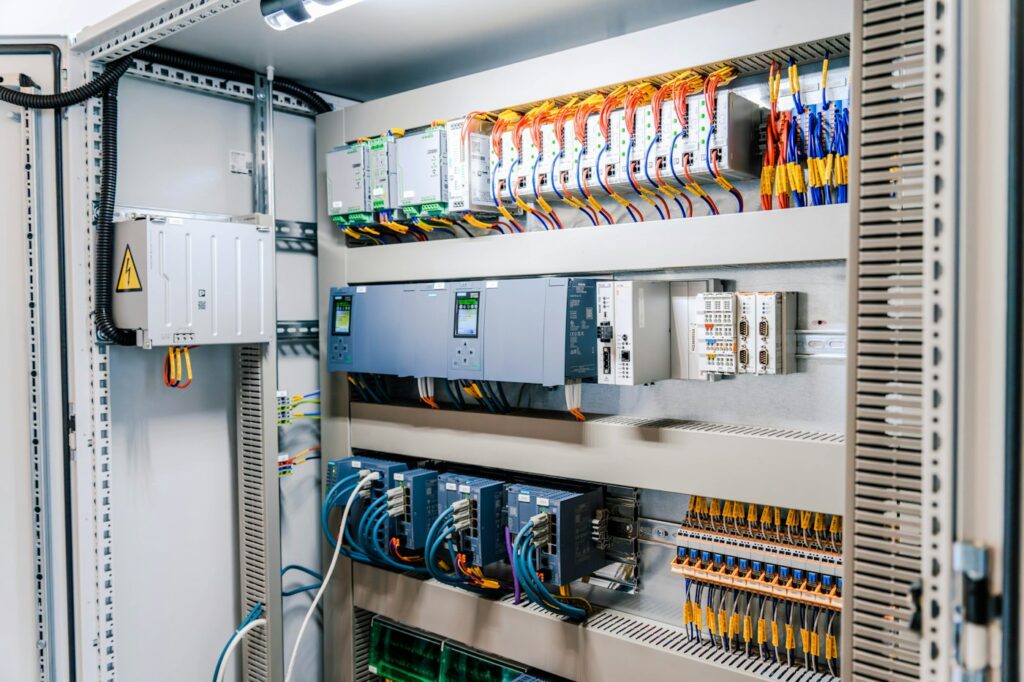
Spread over three hours, 24 kWh averages 8 kW, and a battery’s charge rate decides how much of that it can take: one charging at 5 kW absorbs about 15 kWh in the window. Add an EV charger, a hot water system and a dryer, and a house can pass the cap or draw more than its wiring is built for. The government’s advice is to spread high-energy appliances across the window rather than run them together, so breakers don’t trip, and to have an older home checked by a licensed electrician first.
Shifting other loads: EV, hot water and pool
The same window suits anything that can run on a timer. The government lists hot water systems, dishwashers, washing machines, clothes dryers, pool pumps, heating and cooling, EV chargers and home batteries. Electric hot water on a timer, a pool pump and EV charging are the big ones; our guide to charging an EV from rooftop solar covers the charging side.
If you already have solar, the free window overlaps your panels’ best hours, so on a clear day you’re mostly using your own power anyway. The extra value comes on low-solar days, and from energy you can store for later, which is where the battery comes in.
Check the whole plan before you switch
A free window can hide a dearer evening. The ESC’s guideline requires retailers to tell you the free period, the cap, the excess charge, the peak and off-peak rates and the supply charge; that you may pay more if you can’t shift enough use; that the Victorian Default Offer is available; and where to compare offers. Before you sign up:
- Peak and supply charges. Compare them with your current plan, because evening use and the daily charge don’t go away.
- Feed-in tariff. The published Midday Power Saver rates cover supply and usage. Retailers set their own feed-in tariffs, and Victoria has had no regulated minimum since 1 July 2025; our Victorian feed-in tariff guide explains.
- Controlled load and VPPs. If you have a dedicated off-peak circuit, or your battery is in a virtual power plant, ask how the plan treats them.
- Compare. The government says the Midday Power Saver may not be the best-priced offer for every household. Victorian Energy Compare is free and independent.
- Cooling-off. You have 10 business days from receiving the retailer’s advice to withdraw, without a fee.
Who the Midday Power Saver suits, and who should run the numbers
The ESC’s technical paper is plain about it: the Midday Power Saver will not be suitable for all customers, and those who cannot shift enough usage into the free period could end up worse off.
Likely to suit: homes with a battery, especially where winter solar falls short of evening use; EV owners who can charge at home in the middle of the day; people who work from home; and homes with electric hot water or a pool pump on a timer.
Run the numbers carefully: homes that are empty all day with no battery or timers, homes with heavy evening use and no storage, and anyone on a market offer with a lower supply charge or a better feed-in tariff.
If you’re considering a battery partly for this plan, our guide to whether a solar battery is worth it in Victoria covers the wider case. The GoodWe ESA 9.99 kW single-phase system with 16 kWh is one starting point among our solar battery packages, and Build Your System suggests a size from your bill.
Frequently asked questions
When does the Midday Power Saver start?
It starts on 1 October 2026, when households can ask their retailer to switch. The first prices, set by the Victorian Government, apply until 30 June 2027. From 1 July 2027 the Essential Services Commission sets the prices, based on the efficient costs that retailers need to recover to supply Victorian customers.
Can I charge my home battery from the grid for free?
Yes, within limits. On the Midday Power Saver, grid power used between 11 am and 2 pm has no usage charge up to 24 kWh a day, and that includes charging a battery. Use above the cap is charged at the solar soak rate. Your battery needs a scheduled grid-charge setting, which both FoxCloud 2.0 and SEMS+ provide.
Do I need a smart meter for the Midday Power Saver?
Yes. The offer is open to residential customers with a smart meter who opt in through their retailer, and the ESC says most Victorian households can ask for it. Small businesses can’t take it up. Some customers in embedded networks, such as apartment buildings, may also be eligible, depending on their circumstances.
Is the Midday Power Saver worth it if I already have solar?
It depends on your evenings. Your panels already cover much of your midday use on clear days, so the gain comes from low-solar days and from energy you can store or shift, such as a battery or an EV. Compare the plan’s peak rate, supply charge and feed-in tariff with your current plan on Victorian Energy Compare before switching.
Can I switch back if the plan doesn’t suit me?
You have a cooling-off period of 10 business days from the day the retailer gives you its advice about the plan, and the retailer can’t charge a fee if you withdraw in that time. After that, the usual rules for changing plans apply, so ask your retailer about its terms before you agree.
Sources: Essential Services Commission — Victorian Midday Power Saver · Victorian Government — Midday Power Saver · Essential Services Commission — Guideline: Midday Power Saver standing offer (24 September 2026) · Essential Services Commission — Midday Power Saver technical paper (22 May 2026) · Premier of Victoria — three hours of free power (25 March 2026) · Premier of Victoria — Midday Power Saver details (28 May 2026) · Victorian Government — feed-in tariff changes · FOXESS — FoxCloud mode selection guide (AU) · GoodWe — SEMS+ app user manual (AU) · GoodWe ESA single-phase datasheet (AU)
Every figure on this page is checked against its primary source before publication. If a program or its prices change, this page is updated and the verification date above moves with it.
Size a battery for the free window and the evening peak
Build Your System asks about your existing solar, your phase, your bill and your backup needs, then recommends a battery system with indicative pricing.