

Battery savings calculator
How much could a battery save you?
Our battery savings calculator asks three quick questions. It suggests a battery size for your home, shows what the federal battery discount could be worth on it, and estimates what it could take off your power bills.
Next step
Send us your estimate
Leave your details and one of our team will go through this estimate with you, including whether each program applies to your property. No obligation, and no payment is taken on this site.
Prefer to talk now? Call 03 9115 7455, Monday to Friday, 9:00 am – 5:00 pm.
How it works
How the federal battery discount is worked out
Like any battery rebate calculator, ours is only as good as its maths, so here it is. The federal battery discount comes as certificates, and the number of certificates depends on the battery’s usable capacity, counted in three tiers.
Certificates = the kilowatt-hours in each tier × that tier’s rate × the certificate factor, rounded down. The factor is 6.8 for batteries installed from May to December 2026. It drops to 5.7 on 1 January 2027 and keeps stepping down on 1 January and 1 July each year until 2030 (5.2, 4.6, 4.1, 3.6, 3.1, 2.6, then 2.1). The calculator uses the rate in force on the day you use it.
Tier 1
100%
First 14 kWh
Every kilowatt-hour of usable capacity up to 14 kWh counts in full.
Tier 2
60%
14 to 28 kWh
The next 14 kilowatt-hours count at 60%.
Tier 3
15%
28 to 50 kWh
Capacity from 28 to 50 kWh counts at 15%. Nothing above 50 kWh counts.
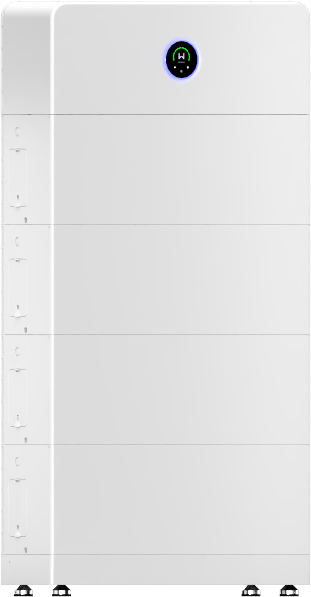
Why a bigger battery doesn’t mean a bigger discount. Because the support is front-loaded, a 48 kWh battery earns about 14% more certificates than a 27.84 kWh one, for 72% more storage. Size the battery to your evening and overnight use, not to the discount.
Certificates are capped at $40 each (ex GST) in the government clearing house and usually trade a little below that, which is why the calculator shows the discount as a range.
What the discount requires
- Installed with rooftop solar, new or existing, up to 100 kW
- On the Clean Energy Council’s approved battery list
- Able to join a virtual power plant, whether or not you ever do
- Between 5 and 100 kWh nominal capacity, with certificates counted on the first 50 kWh of usable capacity only
- The rate is set by the installation date, not the contract date
The fine print
What the battery savings calculator assumes
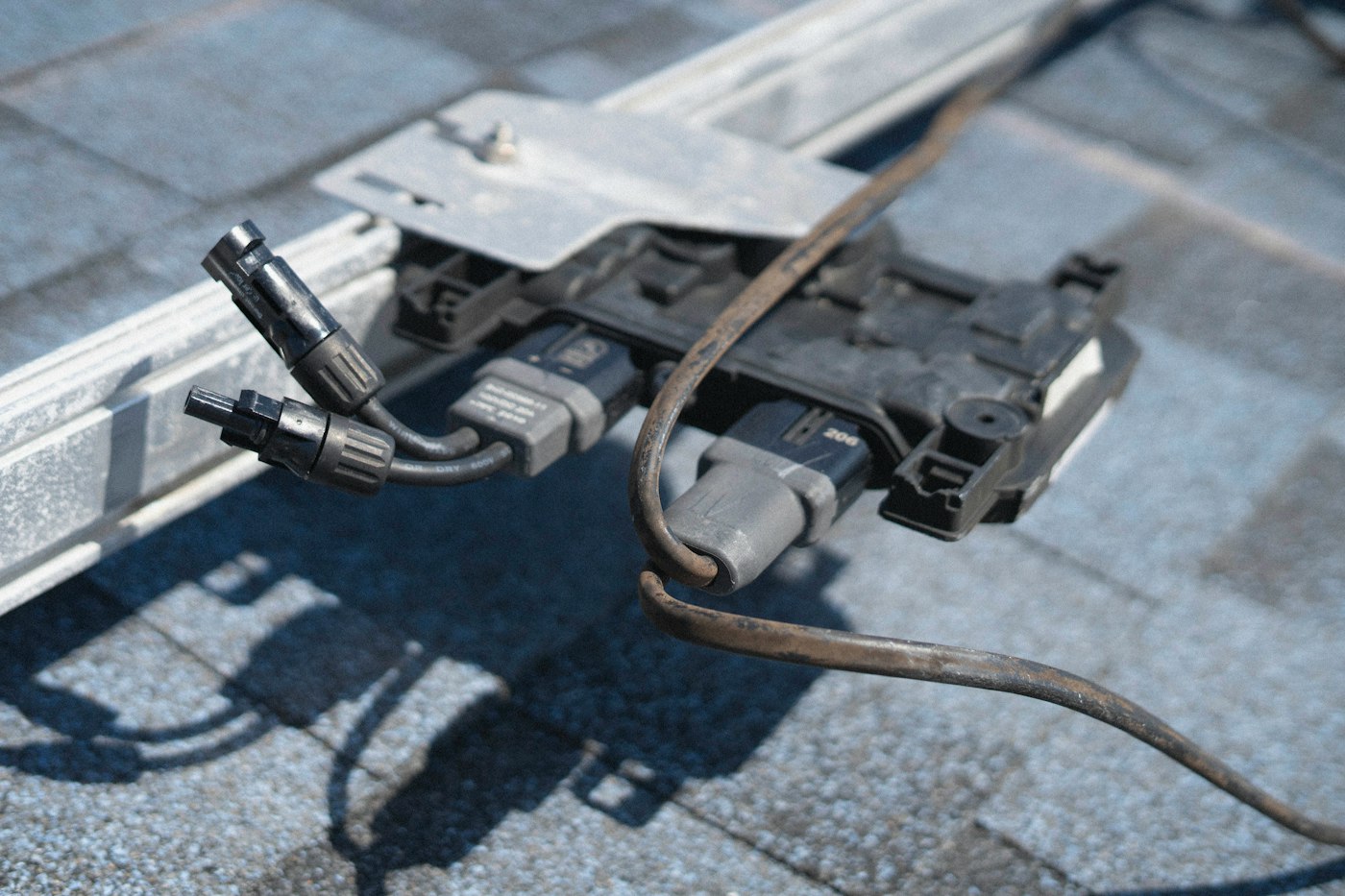
Battery size. Your bill band, or the daily use you enter, sets a target size using the same sizing as our Build Your System tool. It is then matched to the nearest battery we offer for your phase. Blackout backup doesn’t change the size here; we look at it at your assessment.
Federal battery discount. Certificates are worked out as above, then valued at $35 to $40 each.
Bill savings. We take about $1 a day off your bill for fixed supply charges and divide the rest by your usage rate (30c per kWh unless you enter your own) to estimate your daily use. We assume 45% of that use falls in the evening and overnight. The battery covers that share up to its size, at 90% round-trip efficiency, valued at your rate less a typical 4c feed-in tariff. Victoria has had no minimum feed-in tariff since 1 July 2025. The result is shown as a range of plus or minus 20%, and it assumes your solar can charge the battery each day.
Figures current as at 25 September 2026. Sources: Clean Energy Regulator, solar batteries and changes to the Cheaper Home Batteries Program. We re-check both before any change is published.
Estimates are indicative and are not a quote. Eligibility is subject to program requirements.
Is this a quote?
No. The battery savings calculator gives indicative figures only. Your final price, system size and discount depend on your property, roof, switchboard and network, and are confirmed in writing after a site and network assessment.
Why doesn’t a bigger battery get a bigger discount?
The federal discount is tiered. The first 14 kWh of usable capacity count in full, the next 14 kWh count at 60% and capacity from 28 to 50 kWh counts at 15%. Each extra kilowatt-hour earns less than the one before, and nothing above 50 kWh earns anything.
Can I add a battery to the solar I already have?
Usually, yes. The federal discount covers batteries installed with new or existing rooftop solar systems up to 100 kW. We check that your inverter and switchboard suit the battery at the site assessment.
Why do you ask whether I’m single or three phase?
It decides which systems suit your home, because a three-phase inverter can’t go on a single-phase supply. If you’re not sure, that’s normal. The calculator assumes single phase, and we confirm it on site.
When does the discount change?
The federal battery discount steps down every six months. Its certificate factor is 6.8 for batteries installed from May to December 2026 and 5.7 from 1 January 2027. The rate is set by when the battery is installed, not when you sign, so no quote can lock in today’s rate for a later installation.
What happens after I send my estimate?
It reaches our team with your answers, and we get in touch to go through it with you. If you ticked the phone box, we may call you; otherwise we use email. No payment is taken on this site.
Talk to a person
Want it checked for your home?
An estimate is a starting point. A short conversation about your roof, switchboard and usage turns it into a written quote.