
Solar & Battery Guides
What rooftop solar actually does for the environment
The environmental benefits of rooftop solar are real, but panels are not magic: they take energy and materials to make. The honest question is how fast they pay that back — and the honest answer is: very fast, then they keep paying for decades.
Published 24 September 2026 · Facts last verified 24 September 2026
Key points
- The environmental benefits of rooftop solar show up across the whole life cycle: about 41 gCO₂e per kWh (IPCC median), against roughly 820 for coal.
- A modern panel repays the energy used to make it in roughly one to two years, then keeps producing for 25 years or more.
- A battery deepens the effect by shifting your own clean generation into the evening peak.
Every energy technology has a footprint. The fair comparison is across the whole life cycle — mining, manufacturing, transport, operation and disposal — measured per kilowatt-hour produced. On that measure the gap between solar and fossil generation is not close.
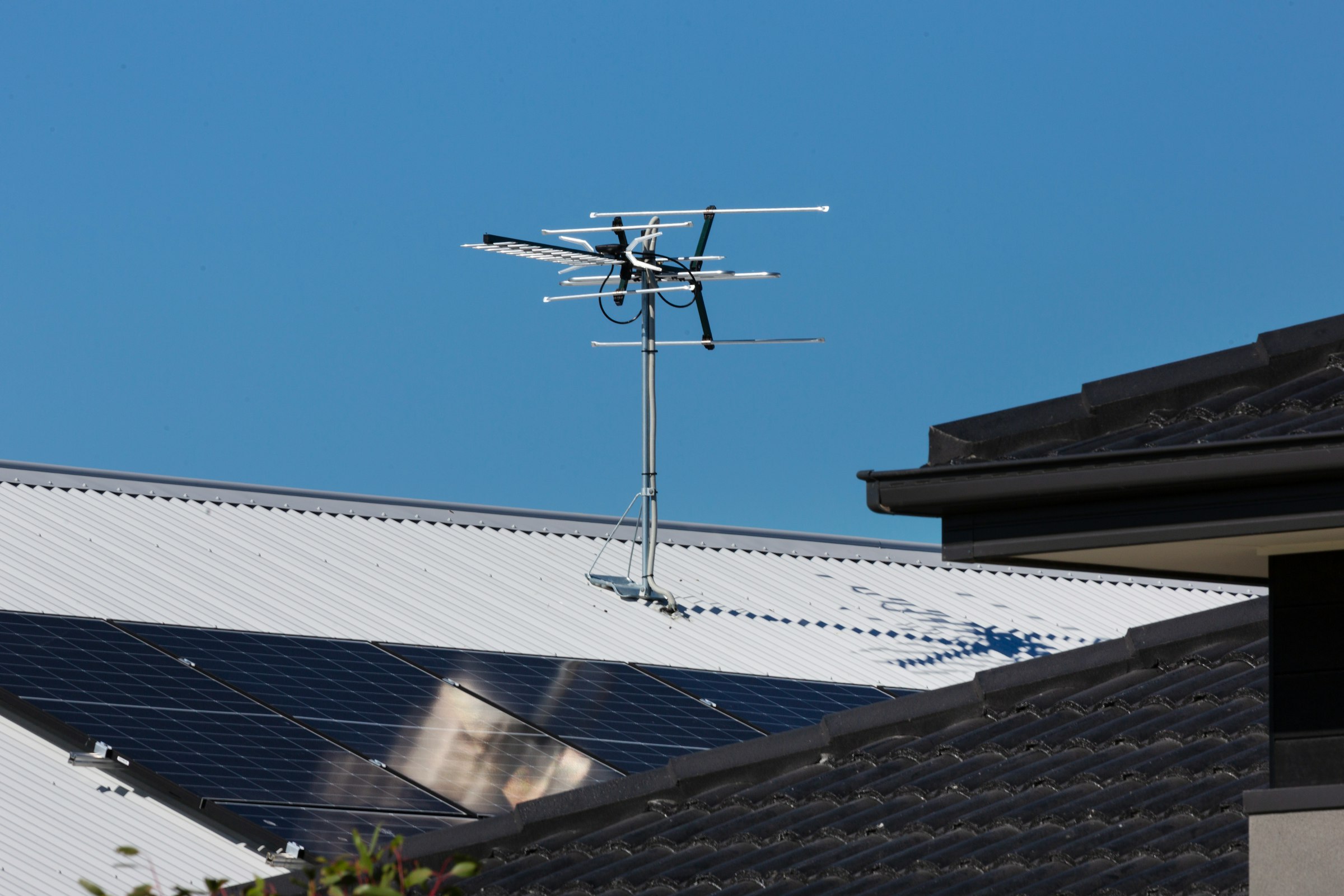
The environmental benefits of rooftop solar: the core numbers
| Generation source | Lifecycle emissions (median, gCO₂e/kWh) |
|---|---|
| Coal | ~820 |
| Gas (combined cycle) | ~490 |
| Rooftop solar PV | ~41 |
| Wind (onshore) | ~11 |
Those medians come from the IPCC’s comparative assessment of electricity technologies. Solar’s number is not zero — most of it is the energy used in manufacturing — but it is roughly twenty times lower than coal per unit of electricity.
Energy payback: one to two years, then decades of surplus
A modern panel in a sunny country repays the energy used to make it in roughly one to two years of operation — analyses from the US National Renewable Energy Laboratory and Europe’s Fraunhofer Institute have put it in that range for years, and Australian conditions sit at the favourable end. Panels are typically warranted for 25 years and commonly run longer, which means a panel spends over 90% of its life producing genuinely surplus clean energy.
What a Victorian rooftop system offsets
It depends on what your electricity would otherwise have come from, and Victoria’s grid is getting cleaner every year — which is a good thing that honest arithmetic has to acknowledge. As a rough order of magnitude, a typical home system generating eight to ten megawatt-hours a year displaces several tonnes of CO₂ annually at today’s grid mix, with the figure declining as the grid itself decarbonises. Beware of calculators that quietly assume your power would otherwise be 100% coal forever.
The honest caveats
- Manufacturing is concentrated and energy-intensive. The industry’s own footprint shrinks as grids decarbonise, but it is not zero today.
- Panels use land — unless they use your roof. Rooftop solar’s land footprint is effectively nil, which is one of the quiet arguments for putting panels on four million homes rather than only in paddocks.
- End of life matters. In Victoria panels cannot legally go to landfill, and most of a module by weight is recoverable — we cover where recycling is up to here.
A battery deepens the effect: it shifts your own clean generation into the evening peak, when the grid is at its most emissions-intensive. That is good for your bill and for the grid — sized to your usage, not to the rebate.
Sources: IPCC AR5 WGIII Annex III — lifecycle emissions by technology · NREL and Fraunhofer ISE — PV energy payback analyses · Solar Victoria — end-of-life solar PV
Every figure on this page is checked against its primary source before publication. If a program or market figure changes, this page is updated and the verification date above moves with it.
See what your roof could do
Take two minutes with the eligibility check and our team will tell you which rebate programs apply at your address — and a site assessment turns roof space into real generation numbers.