
Solar & Battery Guides
What size home battery do you actually need?
What size home battery do I need? The answer is set by what your home uses between sunset and sunrise — not by what is on special, and not by the rebate. Here is how to work yours out in ten minutes.
Published 1 June 2026 · Facts last verified 24 September 2026
A home battery does one job: it stores the solar you do not use during the day, so you can run the house on it at night. Size it well and it covers the evening peak, the overnight base load and a margin for winter. Size it badly and you have either paid for capacity that sits idle, or you are back to buying peak-rate power at 7pm.
Start with two numbers
Your evening and overnight usage. Open your electricity bill or your retailer’s app and look at usage from about 4pm to 8am. Most Victorian homes with a smart meter can see this hour by hour. If you can only see daily totals, a reasonable rule of thumb is that 60–70% of a household’s usage happens outside solar hours.
Your solar surplus. A battery can only store what your panels generate beyond what the house uses in daylight. A small array behind a large battery leaves it half-charged through winter.
What size home battery do I need? The bands most homes fall into
| Evening + overnight usage | Usable storage that fits | Typical household |
|---|---|---|
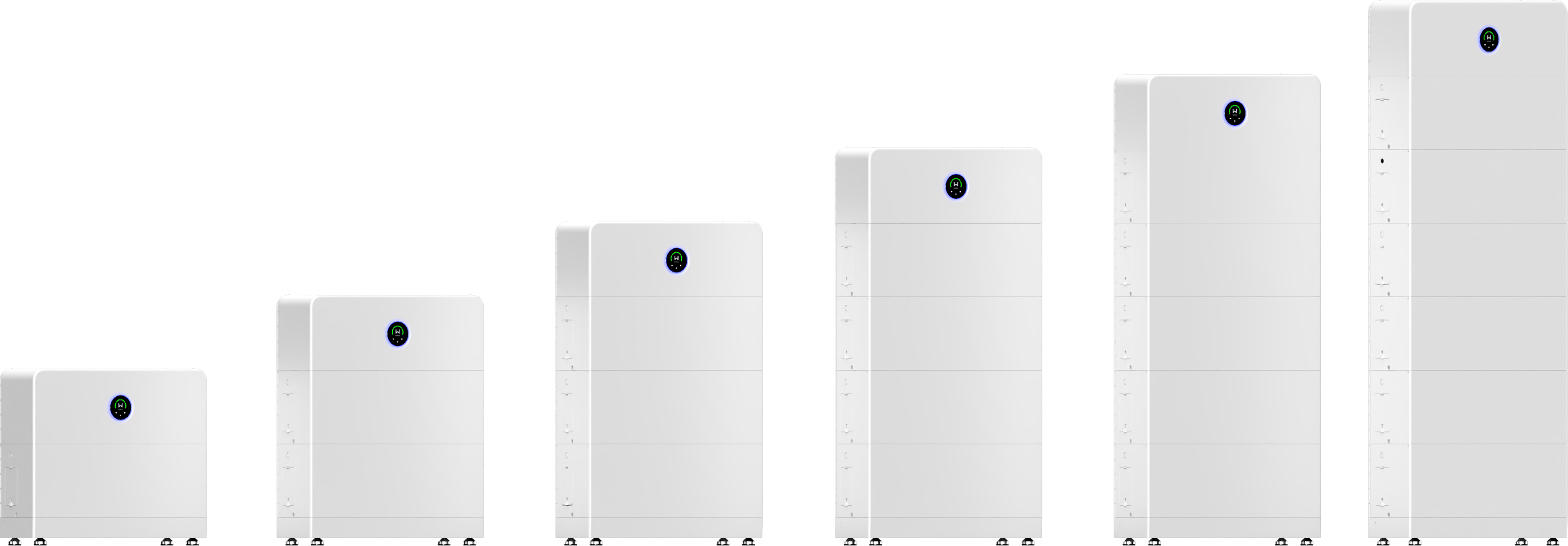
| 6–10 kWh | 10–16 kWh | Couples and small families, gas heating and cooking |
| 10–18 kWh | 16–28 kWh | Family homes, electric appliances, some air conditioning |
| 18 kWh and up | 28 kWh and up | Large all-electric homes, pools, EV charging overnight |
The margin above your average matters: winter evenings run longer than summer ones, and batteries hold a reserve for backup if you configure one. That is why the fit is a range, not a single number.
If backup matters, size for it deliberately
A home battery that backs up your whole switchboard through an outage needs headroom held in reserve — capacity you are choosing not to cycle daily. If backup is the point, say so at quoting time: it changes both the size and the way the system is configured, and it is the strongest honest reason to go a band larger than your usage alone suggests.
The trap: sizing to the rebate
Federal battery certificates are tiered — weighted toward the first 14 kWh of usable capacity, tapering from 14 to 28 kWh, and small above that. A larger battery does not attract a proportionally larger discount. Choose capacity on your usage and backup needs, not on the rebate.
We publish the arithmetic behind that in why a bigger battery doesn’t mean a bigger rebate. The short version: past about 28 kWh, extra capacity earns very little extra support, so it has to justify itself on usage alone.
Check your phase before you fall for a spec sheet
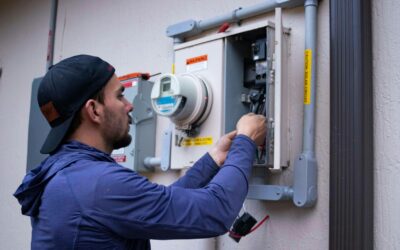
Single-phase and three-phase homes suit different inverters and battery pairings, and the wrong match is the most common reason a quoted system cannot actually be installed. It takes one look at your switchboard to know — here is how to tell.
Related guides: how long a battery lasts in a blackout · what size inverter you need · kW vs kWh on a battery spec sheet · how Build Your System works
Sources: Clean Energy Regulator — solar batteries · your own smart-meter data via your retailer
Every figure on this page is checked against its primary source before publication. If a program or market figure changes, this page is updated and the verification date above moves with it.
Answer four questions, get a size
The Build Your System tool asks about your usage, your roof, your phase and your backup needs, and returns systems sized to the answers — with indicative pricing and the rebate treated honestly.