

Solar & Battery Guides
Single phase or three phase — and why it decides your system
Single phase vs three phase solar is the first decision, not a detail. Before brand, before size, before price: your electricity supply is either single phase or three phase, and everything about your system flows from which one.
Published 24 September 2026 · Facts last verified 24 September 2026
Key points
- Single phase vs three phase solar is a hard compatibility gate: a three-phase inverter cannot go on a single-phase home.
- To check, look at the main switch in your switchboard: one pole is single phase, three poles joined together is three phase.
- Single-phase inverters typically top out around 10 kW; three phase allows 15 kW and beyond, subject to network approval.
- Export limits are set by your distributor for your specific address, so every figure before an assessment is indicative.
- Upgrading to three phase for solar and a battery alone is rarely justified.
It is the first question in our configurator and the first thing an installer checks, because it is a hard compatibility gate. A three-phase inverter cannot go on a single-phase home, and putting a single-phase system on a three-phase property wastes what the supply can do.
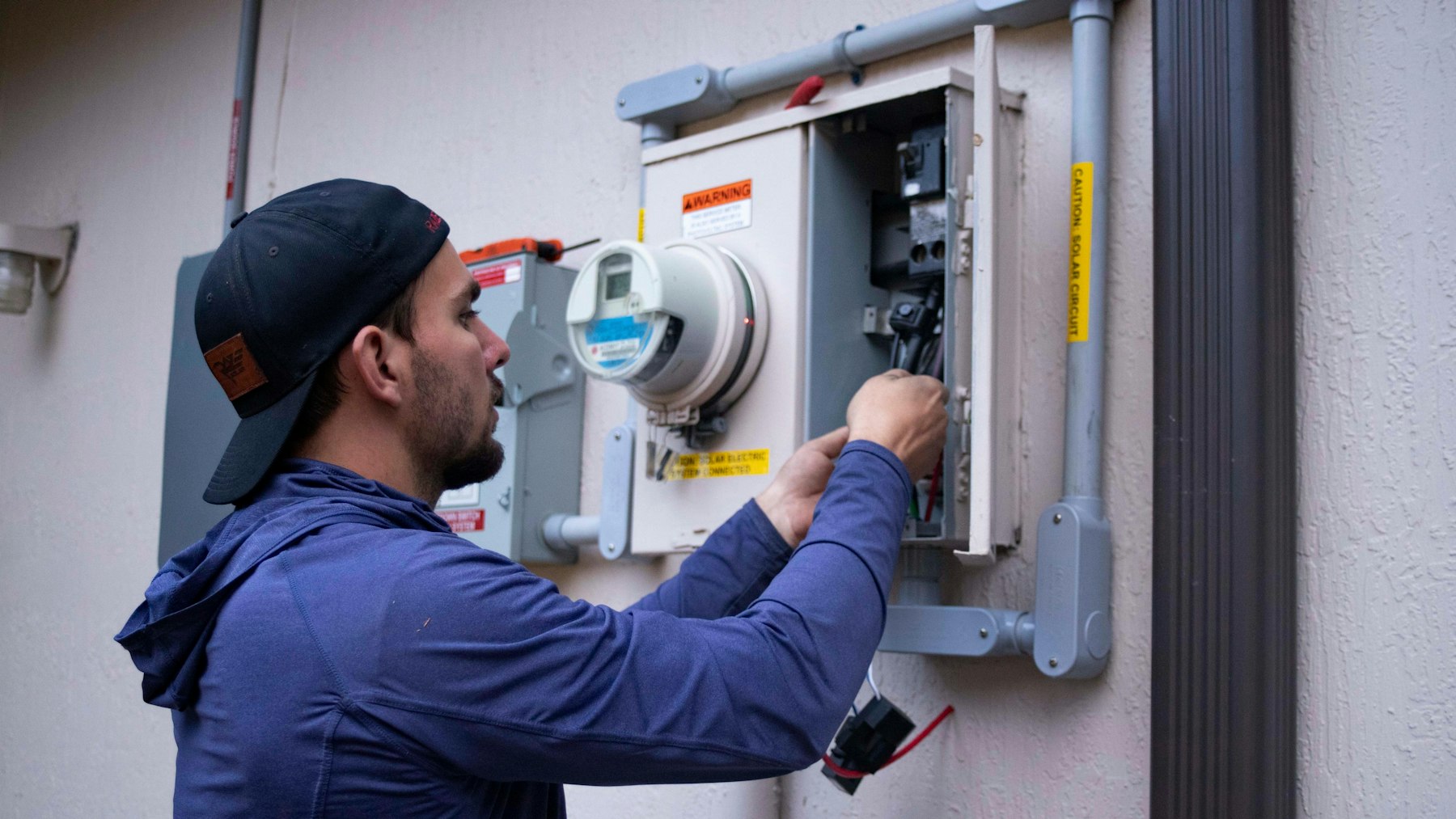
What the terms actually mean
Power reaches your street on multiple wires. A single-phase home connects to one of them — the standard for most Victorian houses. A three-phase home connects to all three, tripling the capacity of the connection. Larger, newer, or all-electric homes — and anything with ducted air conditioning, a pool, or serious workshop equipment — are often three phase.
How to tell which one you have
- Look at the main switch in your switchboard. One pole (one switch-width) is single phase; three poles joined together is three phase.
- Check the service fuse near the meter: one fuse cartridge, single phase; three, three phase.
- Still unsure? A photo of your switchboard answers it in seconds — it is one of the four questions our configurator asks.
Single phase vs three phase solar: what it changes
| Decision | Single phase | Three phase |
|---|---|---|
| Inverter choice | Single-phase hybrid models | Three-phase hybrid models |
| Typical inverter ceiling | Around 10 kW | 15 kW and beyond, subject to network approval |
| Export limits | Distributor-dependent, commonly 5 kW | Higher limits possible, confirmed per address |
| Backup design | Whole-home backup is straightforward to scope | Needs care: loads are spread across phases |
Export limits are set by your distributor for your specific address, which is why every figure before a site and network assessment is indicative. It is also why our catalogue keeps single-phase and three-phase systems as separate, clearly-labelled products.
Should you upgrade to three phase?
Not for solar alone. An upgrade involves your distributor, an electrician, and often a new switchboard — worthwhile when you are already renovating, adding major electric loads, or planning high-capacity EV charging, but rarely justified by panels and a battery by themselves. A well-chosen single-phase system covers most households comfortably.
The phase question is exactly why we ask about your switchboard before recommending anything. A system that cannot legally or physically connect to your supply is not a system — it is a refund waiting to happen.
Sources: your electricity distributor’s connection rules (confirmed per address at assessment) · Solar Victoria — grid-connected solar explained · NRGPAL — battery storage
Every figure on this page is checked against its primary source before publication. If a program or market figure changes, this page is updated and the verification date above moves with it.
Four questions, sized to your supply
Tell the Build Your System tool your phase — or send a photo of the switchboard if you are not sure — and it only recommends systems your connection can actually take.