
Product Guides
GoodWe ESA three-phase: the 9.999 kW and 15 kW models
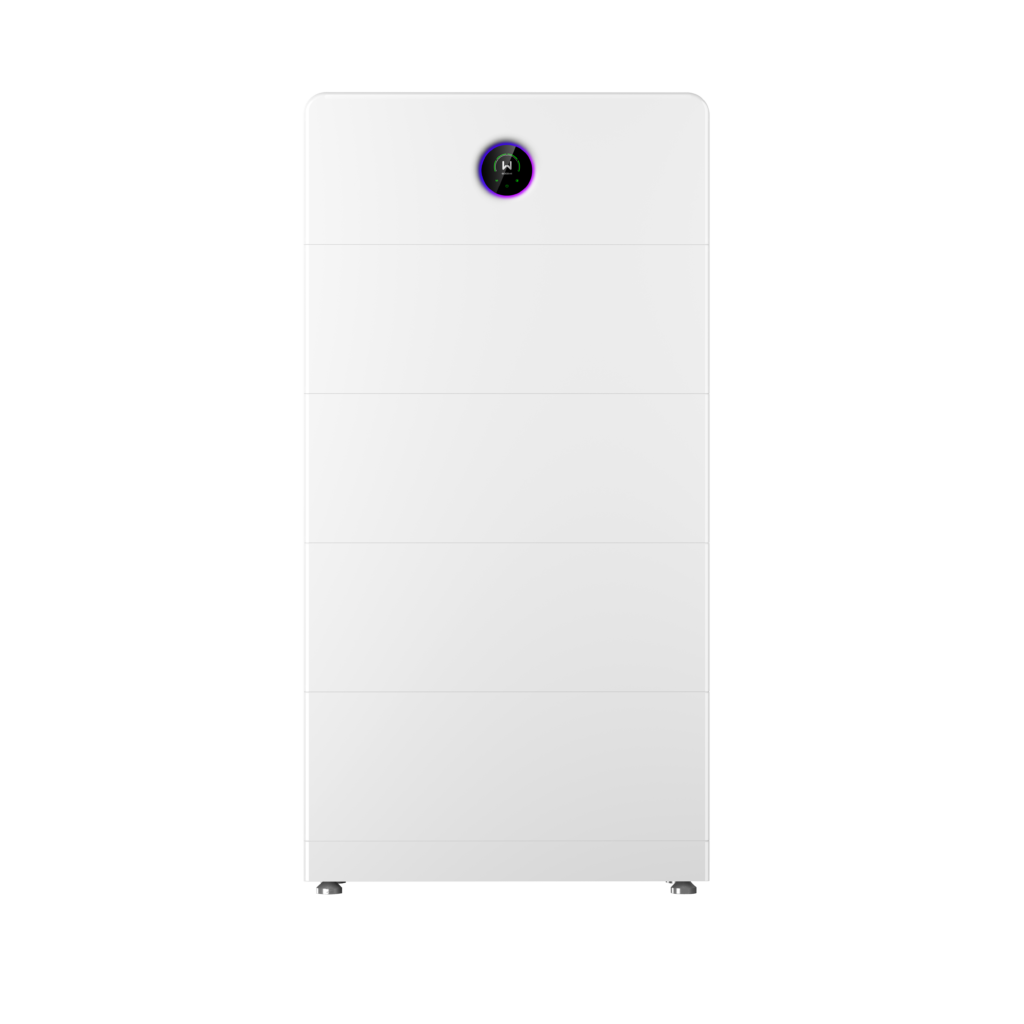
GoodWe’s ESA all-in-one battery is now approved for three-phase homes in Australia, and we install it in two sizes: 9.999 kW and 15 kW. Both keep the stacked design and built-in 63 A backup bypass of the single-phase unit, and add three-phase output, a higher battery voltage and fan cooling. Here is how the two compare and which homes each suits.
Published 17 April 2026 · Facts last verified 7 October 2026
Quick answer: we install the GoodWe ESA all-in-one battery in two three-phase sizes: the GW9.999K-ETA-G20 (9.999 kW, up to 20 kW of solar input) and the GW15K-ETA-G20 (15 kW, up to 30 kW). Both have four solar inputs (MPPTs), a 63 A bypass for whole-home backup, switchover in under 4 ms and an IP66 rating. Our packages pair the 9.999 kW model with 24 to 48 kWh of usable storage and the 15 kW model with 32 to 48 kWh.
The Clean Energy Council approved both GoodWe ESA three-phase models on 16 February 2026. GoodWe announced the approval on 25 February and said stock would reach its Australian distributors from mid-March, with installations from late March and early April. Until then only the single-phase ESA was approved here; it is covered in our GoodWe ESA all-in-one guide. This page covers what changes on three-phase supply.
GoodWe ESA three phase: the two models side by side
The two models share a chassis, a battery voltage window and a backup design. They differ in power: how much solar each can take, how fast it charges and discharges the battery, and how much it can supply in a blackout.
| GW9.999K-ETA-G20 | GW15K-ETA-G20 | |
|---|---|---|
| Rated AC output | 9.999 kW | 15 kW |
| Maximum solar input | 20 kW | 30 kW |
| Solar inputs (MPPTs) | 4 | 4 |
| Maximum PV input voltage | 1,000 V | 1,000 V |
| Battery voltage window | 700–950 V | 700–950 V |
| Maximum battery charge / discharge | 10.0 kW / 11.0 kW | 15.0 kW / 16.5 kW |
| Backup output, rated | 10 kVA | 15 kVA |
| Backup output, maximum (off-grid) | 11.0 kVA; 20 kVA for 10 s | 16.5 kVA; 30 kVA for 10 s |
| Switch to backup | Under 4 ms | Under 4 ms |
| Grid pass-through (bypass) | Up to 43.5 kVA (63 A) | Up to 43.5 kVA (63 A) |
| Maximum efficiency | 98.1% | 98.1% |
| Cooling | Smart fan | Smart fan |
| Size and weight | 800 × 340 × 270 mm, 34 kg | 800 × 340 × 270 mm, 34 kg |
| Weather rating | IP66 | IP66 |
| Our package sizes (usable) | 24, 32, 40 or 48 kWh | 32, 40 or 48 kWh |
GoodWe’s Australian datasheet covers three-phase ESA models from 5 kW to 29.999 kW, and our packages use these two. We list the smaller one as 9.99 kW; GoodWe and the Clean Energy Council rate it at 9.999 kW. Each accepts solar input of up to twice its AC rating, which is how the 15 kW model can run a 30 kW array; solar panel oversizing explained sets out the rules. If you see “up to 80 A bypass current” on the front of GoodWe’s datasheet, that figure belongs to the 25 kW and 29.999 kW models; the specification table gives the 9.999 kW and 15 kW units 63 A.
Why does three phase change the inverter choice?
On three-phase supply the inverter feeds all three phases rather than one, and three-phase homes are generally allowed to export more than single-phase homes. The exact limits depend on your network and your address; single phase vs three phase explains how to check your supply and what it allows. For the ESA, three things follow:
- Size. The single-phase ESA range stops at 9.999 kW. The 15 kW model exists only as a three-phase unit.
- Backup on every phase. The three-phase models keep all three phases running in a blackout, so a three-phase appliance isn’t left out by design. What can run at once is set by the backup rating.
- The same battery modules. Both versions use GoodWe’s GW8.3 modules. GoodWe lists them at 700–950 V in a three-phase system and 350–550 V in a single-phase one.
9.999 kW or 15 kW: which suits your home?
Start with the roof and the loads rather than the battery. The inverter rating sets four limits: how much solar it can take, how fast it can refill the battery, how much it can supply at once, and how much it can carry in a blackout.
- Choose the 9.999 kW model if your roof suits up to about 20 kW of panels and 10 kVA of backup covers what you want running in an outage. It charges the battery at up to 10 kW and discharges at up to 11 kW.
- Choose the 15 kW model if you have room for a large array (up to 30 kW), big loads that run together, such as ducted heating and cooling, a pool and an EV charger, or you want 15 kVA of backup. Its charging (15 kW) and discharging (16.5 kW) limits are half as high again, which helps fill a large battery on short winter days.
The export limit doesn’t rise with the inverter. Your distributor sets it, and anything the panels make beyond what the house uses, the battery stores and the network accepts is curtailed. A bigger inverter earns its keep through the energy you use and store, not through exports. Our guide to what size inverter you need covers the general question.
How is it different from the single-phase ESA?
The idea is the same, but the engineering changes with the supply. Here is the three-phase 9.999 kW model against the single-phase GW9.999K-EHA-G20:
| Single phase GW9.999K-EHA-G20 | Three phase GW9.999K-ETA-G20 | |
|---|---|---|
| Battery voltage window | 350–550 V | 700–950 V |
| Maximum battery charge / discharge | 13.5 kW / 11.0 kW | 10.0 kW / 11.0 kW |
| Backup output, maximum | 10 kVA; 20 kVA for 10 s | 11.0 kVA; 20 kVA for 10 s |
| Grid pass-through (bypass) | 14.5 kVA (63 A) | 43.5 kVA (63 A) |
| Maximum PV input voltage | 600 V | 1,000 V |
| Cooling | Natural convection, 35 dB or less | Smart fan |
| Inverter size and weight | 800 × 300 × 270 mm, 26 kg | 800 × 340 × 270 mm, 34 kg |
| Maximum efficiency | 97.5% | 98.1% |
Two differences matter day to day. The three-phase unit is cooled by a fan rather than natural convection, and fans make some noise when they run, so keep it away from bedroom windows where you can. And the three-phase 9.999 kW model charges the battery at up to 10 kW against 13.5 kW on the single-phase unit, though both discharge at up to 11 kW. The battery modules, the four MPPTs, the IP66 rating and the SEMS+ app are the same.
Backup, metering and monitoring
Like the single-phase unit, the three-phase ESA carries the house through an internal 63 A bypass, so the whole switchboard can sit behind it without a separate backup gateway. When the grid fails it switches to battery and solar in under 4 ms. GoodWe’s Australian manual for the three-phase models shows wiring for whole-house backup and for partial backup of selected circuits, and describes a black-start function for restarting from the battery when there is no grid and no sun. Our guide to GoodWe ESA backup in a blackout covers how it behaves and where the limits are.
The same manual documents a built-in meter that reads the grid connection through the CT supplied with the inverter, with GoodWe’s GMK330 and GM330 meters as options. The system connects over Wi-Fi or LAN, with 4G optional and Bluetooth for setup, and reports to GoodWe’s SEMS+ app.
Our GoodWe ESA three-phase packages
Each package is the ESA inverter with three to six GW8.3-BAT-D-G21 modules of 8.0 kWh usable each; our guide to the GoodWe 8.3 kWh battery module covers the stack sizes. On the 9.999 kW model, options run from the 9.99 kW three-phase system with 24 kWh to the 9.99 kW three-phase system with 48 kWh. On the 15 kW model, they run from the 15 kW three-phase system with 32 kWh to the 15 kW three-phase system with 48 kWh. Panels, mounting and installation are quoted after a site assessment, where we also confirm your supply and network limits. To compare sizes against your bill and roof, size a system for your home with Build Your System.
Frequently asked questions
When did the GoodWe ESA three-phase become available in Australia?
The Clean Energy Council approved the GW9.999K-ETA-G20 and GW15K-ETA-G20 on 16 February 2026. GoodWe announced the approval on 25 February 2026 and said stock would reach its Australian distributors from mid-March, with installations starting from late March and early April 2026.
What is the difference between the 9.999 kW and 15 kW GoodWe ESA three-phase models?
Power. The 15 kW GW15K-ETA-G20 takes up to 30 kW of solar input against 20 kW, charges the battery at up to 15 kW against 10 kW, discharges at up to 16.5 kW against 11 kW, and supplies 15 kVA of backup against 10 kVA. Their size, weight, IP66 rating, battery modules and 63 A bypass are the same.
Can the GoodWe ESA three-phase back up the whole house?
Yes, within its backup rating. Both models have an internal 63 A bypass, so the whole switchboard can sit behind the unit, and they switch to backup in under 4 ms. In an outage the backup output is rated at 10 kVA on the 9.999 kW model and 15 kVA on the 15 kW model, with short surges above that, so very large loads running together may need managing.
Does the three-phase ESA use the same battery modules as the single-phase?
Yes. Our single-phase and three-phase ESA packages both use GoodWe’s GW8.3-BAT-D-G21 module: 8.32 kWh rated and 8.0 kWh usable, with lithium iron phosphate cells. In a three-phase system the modules work at 700 to 950 V rather than 350 to 550 V. Our three-phase packages use three to six modules, or 24 to 48 kWh usable.
Sources: GoodWe ESA three-phase datasheet (AU) · GoodWe ESA three-phase user manual (AU, V1.0, January 2026) · GoodWe ESA single-phase and battery module datasheet (AU) · GoodWe — CEC approval for the three-phase ESA (25 February 2026) · Clean Energy Council — approved inverters · WhySolar — CEC listing dates for GoodWe ESA models (secondary) · United Energy — solar connection process · AusNet — connections up to 30 kW
Every figure on this page is checked against its primary source before publication. If a datasheet or an approval changes, this page is updated and the verification date above moves with it.
Match the model to your roof and loads
Build Your System asks about your phase, your bill and your backup needs, then recommends a system with indicative pricing. We confirm your supply and network limits at the site assessment.