
Solar & Battery Guides
A short history of solar power — and Australia’s outsized part in it
The panel on a Victorian roof today is the end of a 185-year chain of ideas — and one of its most important links was forged in a Sydney laboratory.
Published 24 September 2026 · Facts last verified 24 September 2026
Solar power feels like a modern technology. It is actually one of the oldest ideas in electricity — it just took a century of physics, a space race and a Sydney university to make it cheap.
1839–1954: from curiosity to cell
In 1839 the French physicist Edmond Becquerel, aged nineteen, noticed that certain materials produced a small current when light fell on them — the photovoltaic effect. For over a century it remained a scientific curiosity. The breakthrough came in 1954 at Bell Labs in the United States, where researchers built the first practical silicon solar cell: about 6% efficient, and so expensive it was famously good for little beyond powering satellites — which is exactly what it did. Solar cells kept early spacecraft alive, and space programs kept solar research alive through the 1960s.
The 1970s: oil shocks change the question
When oil prices quadrupled in 1973, governments started funding solar research as an energy technology rather than a space component. That same decade, a young electrical engineer named Martin Green established a photovoltaics research group at the University of New South Wales in Sydney — a group that celebrated fifty years of continuous solar research in 2024.
The Sydney lab inside most of the world’s panels
Green’s UNSW group did something few Australian research stories can match: it held world silicon-cell efficiency records for decades, pushed cells past the 20% barrier in the late 1980s, and in the 1980s invented the PERC cell architecture — the Passivated Emitter and Rear Cell. PERC went on to become the dominant solar cell technology manufactured worldwide; for years the majority of panels made anywhere on Earth used a design from that Sydney lab. Green is routinely called the father of modern photovoltaics, and generations of his students went on to lead the global solar manufacturing industry.
2000s–2020s: the cost collapse
Mass manufacturing did to solar what it does to everything: module prices fell by well over 90% between 2010 and the mid-2020s. Australia paired that collapse with the federal Small-scale Renewable Energy Scheme and state programs like Solar Homes in Victoria — and a country with abundant sun and detached rooftops did the rest.
Where the history of solar power leaves us
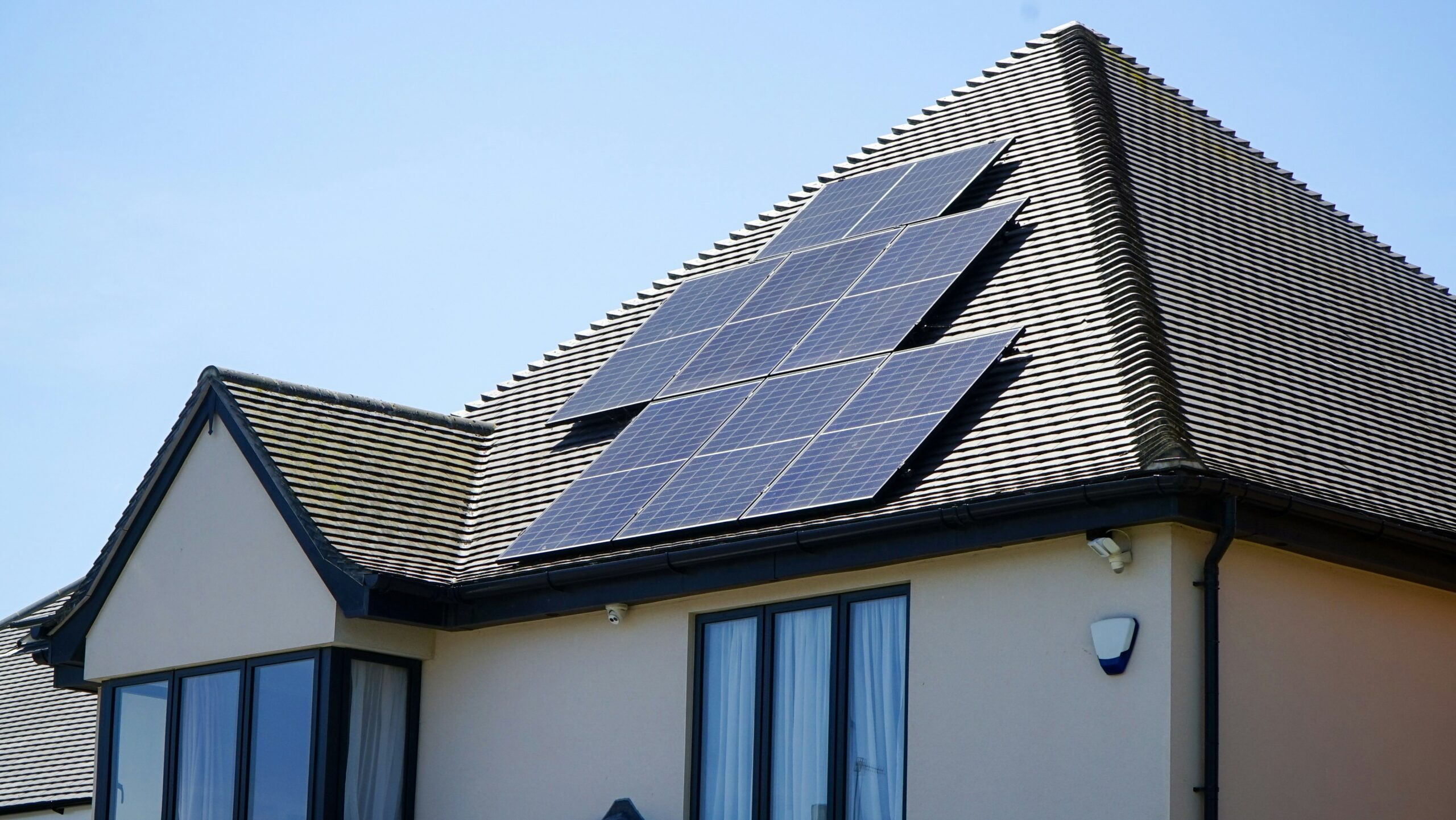
In November 2024 Australia passed four million rooftop solar installations — more than one in three homes, and around 25 GW of capacity, more than the country’s coal fleet. In the December 2025 quarter, renewables and storage supplied more than half the national grid’s energy for a full quarter for the first time. The 1839 curiosity now sets the daytime price of electricity in Australia.
The panels we install today — TOPCon and other high-efficiency designs — are the direct descendants of that UNSW work. Choosing quality hardware is, in a small way, backing the research tradition that made all of this cheap.
Sources: UNSW — 50 years of solar research · Clean Energy Council — four million installations · AEMO — Q4 2025
Every figure on this page is checked against its primary source before publication. If a program or market figure changes, this page is updated and the verification date above moves with it.
Put 185 years of physics on your roof
Modern panels convert over a fifth of the sunlight that hits them into power for your home. See what the current generation of hardware would do on your roof.