
Solar & Battery Guides
What happens to old solar panels in Australia?
Four million rooftop systems means, eventually, four million retirements, and solar panel recycling is catching up. Here is what the rules already require in Victoria, what recyclers can recover, and what is changing nationally.
Published 24 September 2026 · Facts last verified 24 September 2026
Key points
- In Victoria, solar panels are e-waste and have been banned from landfill since 1 July 2019.
- Most of a panel by weight is glass and aluminium, which recyclers recover routinely; the laminated cells are the hard part.
- Solar panel recycling is being built into the industry: the federal government has committed to a national scheme, and New South Wales has consulted on a mandatory one.
- The best recycling policy is longevity: a quality panel that runs 30 years halves the waste of one replaced at 15.
A solar panel is warranted for about 25 years and often works beyond that, so most Australian panels are decades from retirement. But the first big generation of installs is ageing, upgrades retire panels early, and the waste question has moved from hypothetical to scheduled.
In Victoria, landfill is not an option — and has not been since 2019
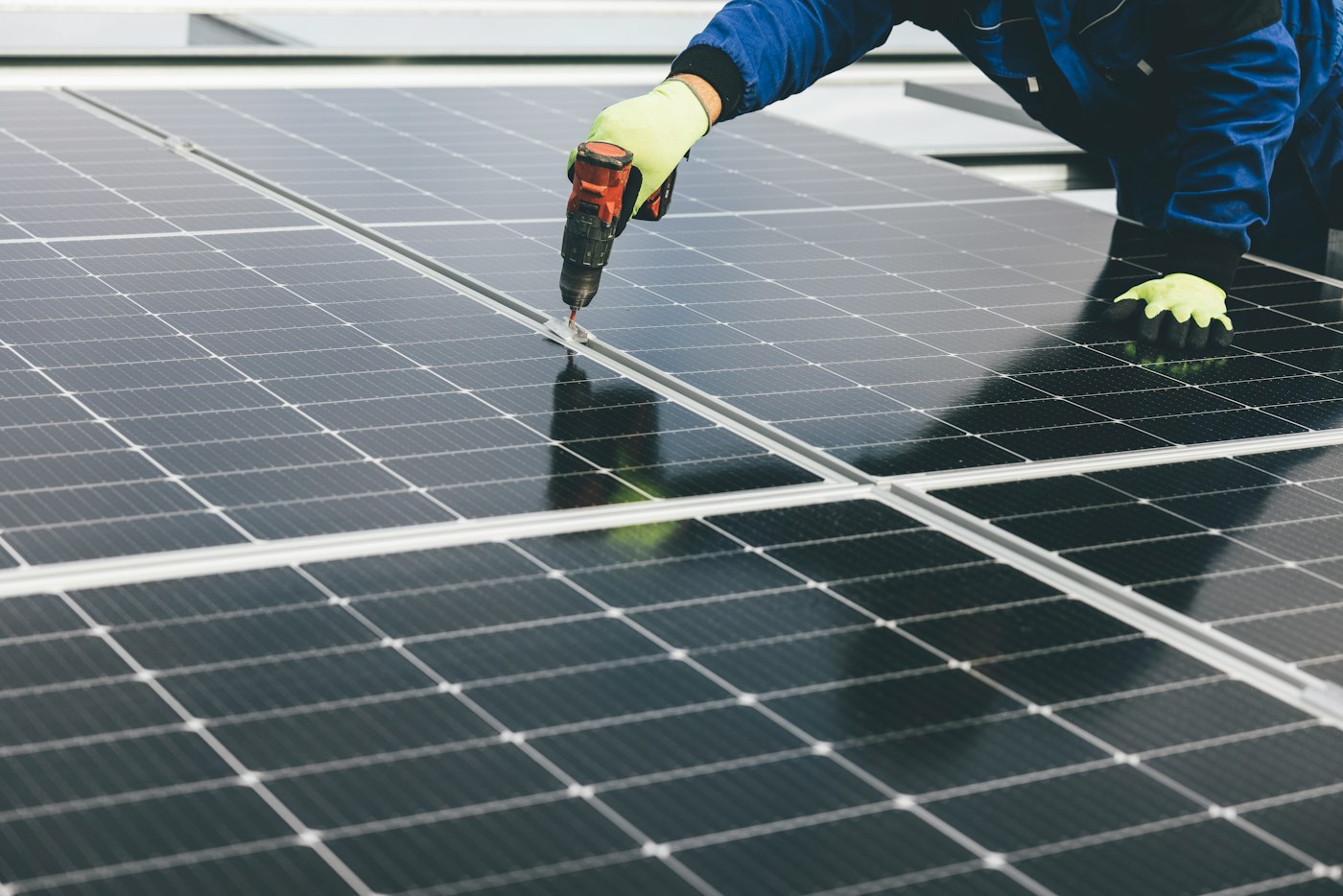
Victoria banned all e-waste from landfill on 1 July 2019, and solar panels are e-waste. A decommissioned panel in this state must go to an e-waste drop-off point or an accredited recycler — Solar Victoria publishes end-of-life guidance, and any reputable installer handles the logistics as part of a replacement job.
What a panel is actually made of
| Material | Share of a typical module | Recoverable? |
|---|---|---|
| Glass | Roughly three quarters by weight | Yes, routinely |
| Aluminium frame | ~10% | Yes, high value |
| Silicon cells | A few percent | Yes, with specialised processing |
| Copper, silver, polymers | Small fractions | Metals yes; polymer layers are the hard part |
The bulk of a module — glass and aluminium — is straightforward to recover, which is why recyclers commonly report recovering most of a panel by weight. The engineering challenge is the laminated cell sandwich, where the valuable silicon, silver and copper are bonded in polymer layers.
Solar panel recycling: what is changing nationally
Australia has been slower than Europe to regulate panel stewardship, but 2026 is the year it moved: the federal government has committed to a national solar panel recycling scheme, and New South Wales has consulted on the country’s first mandatory scheme, which would put recovery obligations on manufacturers and importers. The direction is clear — end-of-life responsibility is being built into the industry, the way it already is for the panels’ packaging and the e-waste stream generally.
What this means when you buy
- Longevity is the best recycling policy. A quality panel that runs 30 years halves the waste of a cheap one replaced at 15.
- Ask where retired panels go. Any installer working in Victoria should have a same-sentence answer: an accredited e-waste recycler.
- Keep documentation. Warranties transfer with quality gear; landfill-band panels with no paper trail are the ones that end up dumped.
We quote tier-one hardware with long warranties for exactly this reason — the cheapest panel per watt is rarely the cheapest panel per year, and never the cheapest per lifetime.
Sources: Solar Victoria — managing end-of-life solar PV · Sustainability Victoria — national stewardship approach · ABC News — the federal recycling scheme (Jan 2026)
Every figure on this page is checked against its primary source before publication. If a program or market figure changes, this page is updated and the verification date above moves with it.
Planning an upgrade or a first system?
Talk to a person about hardware that lasts — and what happens to the old gear if we are replacing an existing system.